Spencer Strider Shut Down Four Weeks: The Fantasy Stash-or-Drop Call Just Got Harder
By Verdexed MLB Desk
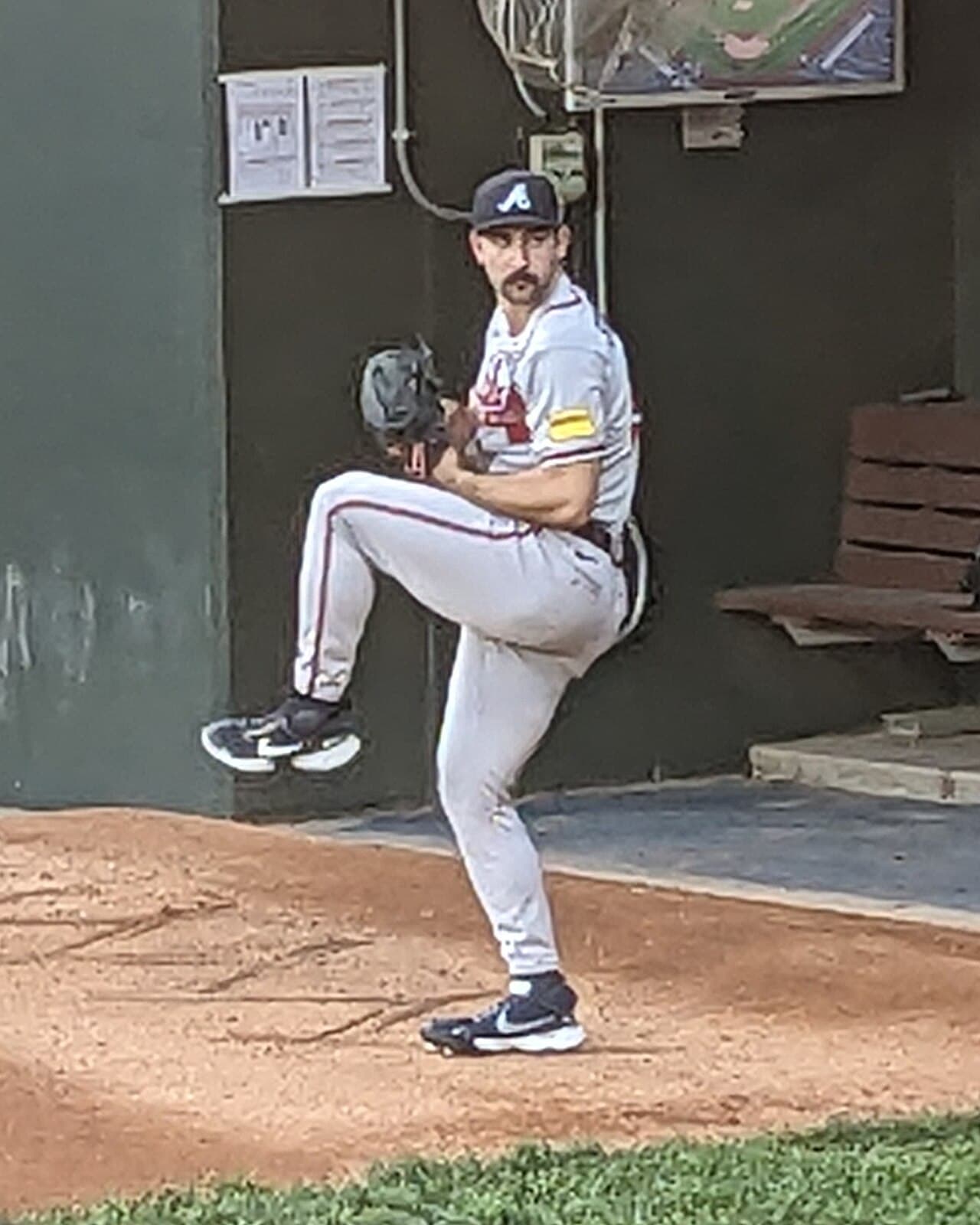
The Spencer Strider situation has moved from worrying to genuinely costly for fantasy managers. The Atlanta Braves announced Monday, June 15, that Strider will be shut down from throwing for four weeks because of inflammation in his right elbow. He had already been placed on the 15-day injured list over the weekend, and the shutdown now reframes the entire second-half plan for anyone rostering him.
This is no longer the open question it was a week ago. When Verdexed last covered Strider, the story was his initial IL placement and the uncertainty around what the elbow soreness meant. The four-week shutdown is the advance: it puts a clock on the absence, and that clock points toward a return no earlier than August, assuming everything goes right.
What actually happened
Strider left Friday's start at the New York Mets early with right shoulder and elbow soreness. The decision to shut him down followed a consultation with Dr. Keith Meister, the well-known surgeon whose name alone tends to raise the temperature of any pitching injury conversation. The Braves also flagged a concerning detail: a decline in Strider's velocity, with reports indicating his fastball had dipped well below its usual level by the time he was pulled.
The team's stated plan is to re-evaluate Strider with another MRI at the end of the four-week window. If the imaging shows the inflammation has cleared, he would begin a throwing progression. That sequence matters for timeline math. Four weeks of no throwing, followed by a build-up that includes long toss, bullpens, and at least one or two rehab outings, realistically pushes a return to August at the earliest. Any setback during the progression pushes it later.
Why the velocity note is the scary part
Inflammation that resolves with rest is the optimistic read, and it is the read the Braves are publicly working from. But the velocity decline is the detail that should temper enthusiasm. For a power pitcher whose entire profile is built on an elite fastball and the swing-and-miss it generates, a meaningful velocity drop tied to elbow discomfort is exactly the kind of warning sign that can precede a more serious diagnosis if the rest-and-rebuild plan does not hold.
Verdexed is treating the four-week shutdown as the floor of the absence, not the ceiling. The most important date is the MRI re-evaluation, because that is the fork in the road: a clean image starts the clock toward August, while anything else opens the door to a much longer absence and a very different conversation.
Fantasy fallout: redraft
In standard redraft leagues, the math is now unforgiving. A pitcher who will not throw for four weeks, then needs a multi-week ramp, is not contributing until August in the best case. That is roughly a third of the remaining season gone before he records an out, and his first few starts back would likely come with an innings or pitch-count leash that caps his strikeout and win upside.
For managers in shallow leagues with active waiver wires, holding a non-contributing roster spot for six-plus weeks on the hope of a capped August return is a luxury most contenders cannot afford. If a startable arm or a save source is available on the wire, the practical move is to let Strider go and chase production that helps now. The categories do not wait.
The nuance is league depth and roster construction. In deeper formats with injured list slots, Strider can be parked on the IL spot at no real cost, which removes the urgency entirely. The drop case is strongest specifically in shallow, no-IL-slot leagues where every active spot has to earn its keep.
Fantasy fallout: dynasty and keeper
The dynasty and keeper read is the opposite of the redraft read. This is precisely the moment when Strider's perceived value can soften, and that is when the long-term managers should be paying attention. A healthy, vintage Strider is a top-of-the-rotation strikeout monster, and those do not come cheaply. An elbow scare that resolves into a normal throwing progression would make any in-season discount look like a gift in hindsight.
The disciplined keeper-league play is to hold if you already own him and to gauge the market if you do not. A manager soured on the absence may be willing to sell at a discount that does not reflect Strider's ceiling. The risk, of course, is the version of this story where the elbow does not cooperate, so the buy-low has to be priced for that downside rather than assuming the clean outcome.
The Verdexed model take
Verdexed's model separates a pitcher's underlying skill from his availability, and that distinction is the whole ballgame here. On stuff and command, Strider remains an elite asset; on availability, his projected innings for the rest of 2026 have collapsed. The model's output reflects both: a high per-inning value attached to a sharply reduced inning count, which is exactly the shape of a hold-in-deep, cut-in-shallow recommendation.
The betting angle is mostly a futures and team-total story. Atlanta's rotation depth absorbs a real hit with Strider out into August, and any market that prices the Braves' second-half win total or division odds should reflect a weaker front of the rotation than the preseason assumption. Bettors who already faded that depth get a small confirmation; those who have not should note that the rotation is thinner than the names on the back of the depth chart suggest.
What's next
The date to circle is the MRI re-evaluation roughly four weeks out. A clean image and the start of a throwing progression keep an August return alive; anything else changes the entire calculus. Until then, the actionable takeaway splits by format: in shallow redraft leagues without an IL slot, cut Strider and chase production that helps you win now; in deep, keeper, and dynasty formats, hold him on the IL spot and let his value recover, because a healthy Strider is worth far more than the six weeks he is about to cost you.