Spencer Strider Hits the 15-Day IL With Elbow Inflammation: A Fantasy Ace in Limbo
By Verdexed MLB Desk
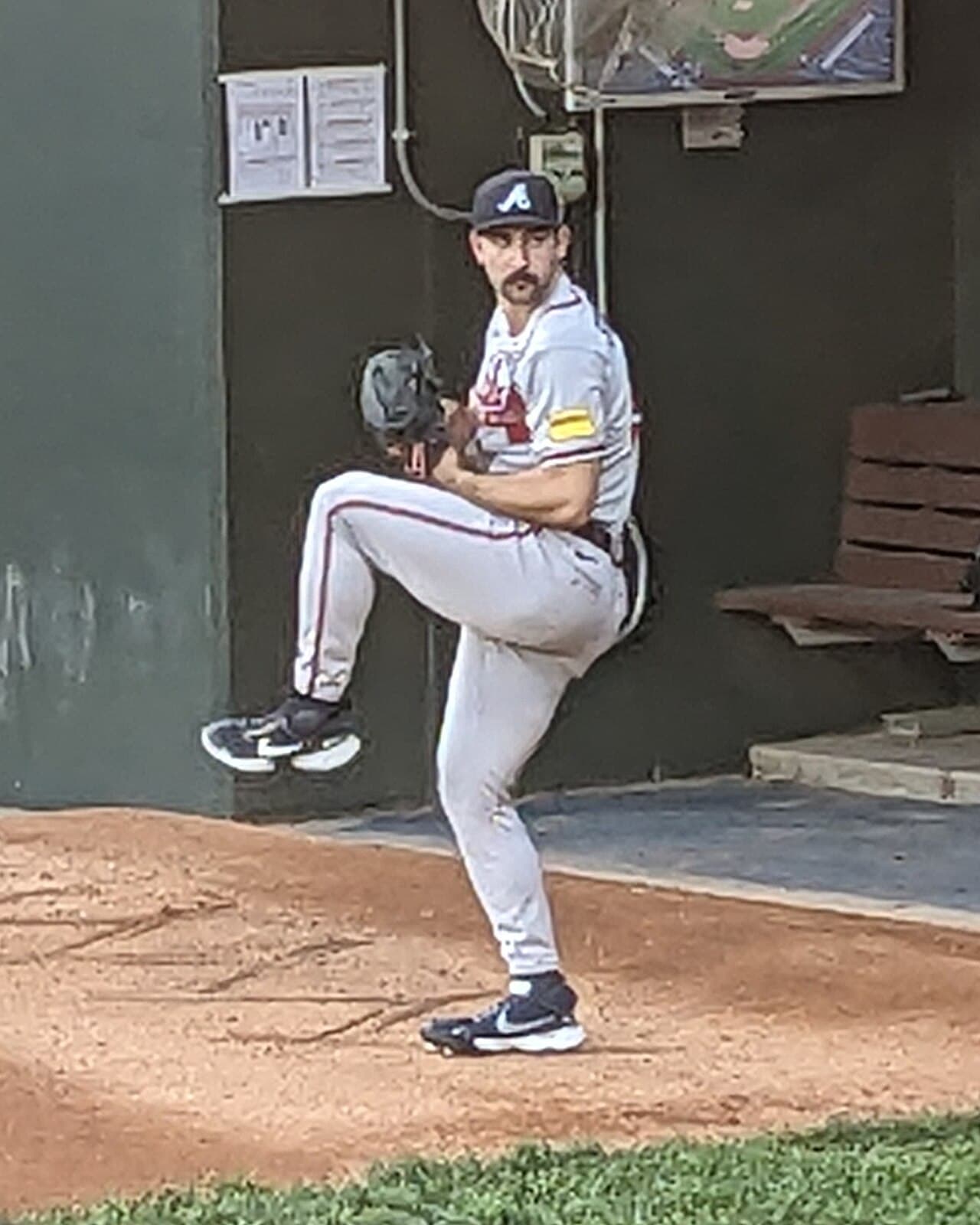
The Atlanta Braves placed right-hander Spencer Strider on the 15-day injured list on Saturday with right elbow inflammation, a development that turns one of fantasy baseball's highest-ceiling arms into a genuine question mark for the summer. Strider exited Friday night's start against the Mets early after allowing a season-worst seven earned runs in three innings, including three home runs, and the team said imaging the next day revealed the inflammation. Atlanta recalled right-hander Anthony Molina to fill the roster spot.
The most alarming detail was not the line score but the radar gun. Strider's fastball, normally one of the loudest in the sport, reportedly sat in the upper 80s on Friday, a steep drop from his usual upper-90s heat. Velocity loss of that magnitude in a pitcher with his medical history is exactly the kind of signal that sends a front office straight to the imaging room.
The injury history that raises the stakes
Strider's elbow has a long file. He underwent Tommy John surgery in 2019, then had the ulnar collateral ligament in the same elbow repaired with an internal brace in April 2024, a procedure that cost him most of that season. He had already missed the first several weeks of the 2026 campaign recovering from a strained oblique before returning, and Friday was only his eighth start of the year. Coming in, he carried a 4-2 record with an ERA north of 5.00, numbers that already hinted he had not fully rediscovered his vintage form.
The Braves are framing this as inflammation rather than structural damage, and the 15-day designation rather than a longer-term shutdown is, on its face, the optimistic read. But the combination of a fresh velocity cliff and a twice-repaired elbow means nobody should treat a 15-day timeline as a promise. The realistic range here runs from a minimum-length rest-and-rebuild stint to something far more ominous if follow-up imaging or a second opinion changes the picture.
Fantasy fallout
For fantasy managers, this is the hardest category of injury to navigate: a premium-talent arm with elite strikeout upside whose floor just dropped through the basement. In shallow mixed leagues with deep benches, Strider is droppable if you are competing now and cannot afford to carry an IL stash that may not return at full velocity. The strikeout profile that made him a first-round pick only matters if the fastball comes back, and a pitcher sitting 88 is not a fantasy weapon regardless of the name on the jersey.
In deeper leagues and any format with IL slots, the calculus flips. Stash him if the roster spot is cheap. The upside if he returns throwing 96 again is a top-tier strikeout source down the stretch, and that ceiling is worth a bench spot you were not using. The key is to monitor the velocity on his rehab outings obsessively. The first thing to watch when he throws again is not the result but the number on the gun. If he is back in the mid-90s, buy the dip from a panicked manager. If he is still sitting 89, the name value is a trap.
The ripple effect on the Atlanta staff
Strider's absence reshuffles the back of Atlanta's rotation and opens a streaming window. Anthony Molina, recalled to take the roster spot, becomes a name to know for managers chasing spot starts in favorable matchups, though rookie arms in that role carry obvious volatility and should be treated as matchup plays rather than season-long adds. The Braves have leaned on rotation depth all year, and any reshuffling tends to push more innings onto the bullpen, which has a quiet trickle-down effect on hold and save chances for Atlanta's late-inning relievers.
The Verdexed model take
Verdexed's model treats velocity as a leading indicator, not a lagging one, and a multi-tick fastball decline in a pitcher with two prior elbow surgeries pushes Strider's projected rest-of-season value down sharply until there is evidence the arm is healthy. The model does not assume the worst, but it discounts the strikeout projection heavily when the underlying stuff is compromised, because punchouts are a function of stuff first and reputation never.
The practical read: Strider is a hold in any league where the bench spot is free and a defensible drop in shallow formats where every active slot needs to produce now. The asymmetry favors patience for contenders with the roster flexibility to wait, because the reward for a clean return is enormous and the cost of stashing is small. For managers without that flexibility, there is no shame in cutting bait and chasing a healthy arm.
Betting angle
From a betting lens, Strider's absence nudges Atlanta's run-prevention numbers in the wrong direction on the days his turn comes up. Game totals in his old rotation slot should tick upward, and the Braves' team win total math gets marginally harder if the elbow keeps him out longer than the minimum. Bettors who had been fading Atlanta opponents on Strider days lose a key edge, and the uncertainty itself, the not knowing whether the ace returns at full strength, is the kind of variance that sportsbooks price conservatively.
What's next
The next real information comes when Strider plays catch and eventually throws a bullpen, with the velocity readings on any rehab appearance serving as the tell. Until then, treat the 15-day label as a floor on the timeline rather than a ceiling. For a Braves club with October ambitions, getting a healthy, hard-throwing Strider back in August would matter far more than rushing a diminished version back in June, and the smart fantasy play mirrors that patience wherever a roster allows it.