Sal Stewart's Breakout Is Real: The Reds Rookie Is the NL Rookie of the Year Favorite
By Verdexed Analytics
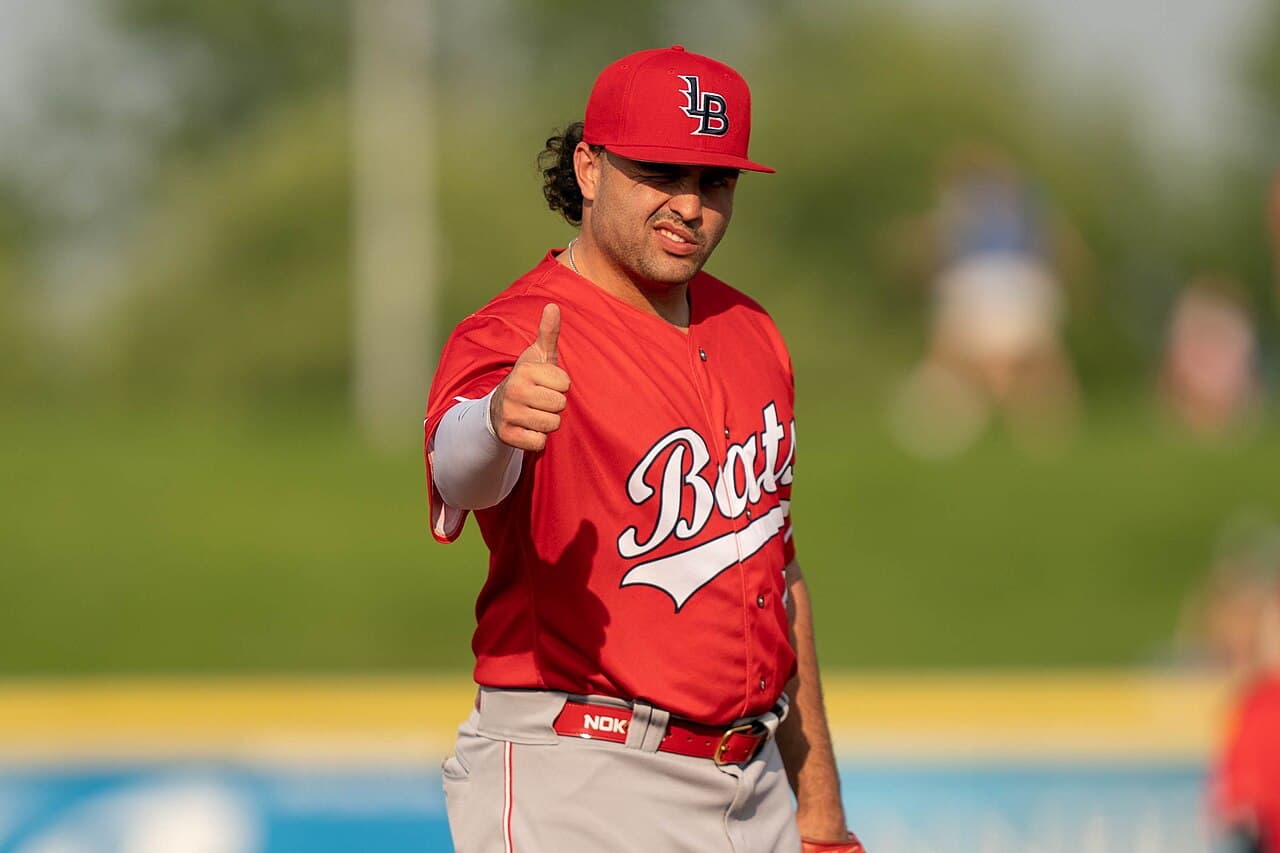
Cincinnati Reds rookie Sal Stewart has gone from prospect to National League Rookie of the Year favorite, and the underlying Statcast data says the breakout is the real thing rather than a hot-start mirage. The 22-year-old, a former first-round pick now in his first full major league season, is drawing national attention for a power-speed profile that plays in every fantasy format. For managers wondering whether to buy, hold, or fade, the batted-ball data points firmly toward holding.
The case for Stewart is not built on surface numbers alone, which is what separates him from the typical rookie running hot in June. The quality-of-contact metrics that tend to predict future production are strong, and they support the idea that his output is sustainable rather than a small-sample fluke poised to regress.
The Statcast profile
Stewart's batted-ball data is the foundation of the breakout. His average exit velocity sits in an elite range, and his barrel rate is the kind of number that correlates with sustained power. Those are the metrics that hold up over time, and when a young hitter pairs hard contact with a healthy barrel rate, the power tends to be a feature rather than a flash. The profile reads like a hitter who has made a genuine leap, not one riding a lucky stretch.
A note on the counting stats: published lines for Stewart vary widely by source and date, ranging from a scorching small-sample start to more moderate full-season figures, and at least one circulating stolen-base total looks like an aggregated or pace-based number rather than a reliable figure. The responsible read is to lean on the quality-of-contact data, which is consistent and telling, and to treat any specific stat line as a snapshot to verify live rather than a fixed fact. The qualitative picture is clear enough: Stewart leads NL rookies in several categories and offers a rare blend of power and speed.
Why it is sustainable
The reason analysts are comfortable calling this breakout real is that the inputs match the outputs. When a hitter's production outruns his contact quality, regression is the safe bet. When the contact quality is elite and the production follows, as is the case with Stewart, the more likely path is continued performance. His exit velocity and barrel rate are doing the heavy lifting, and they are not the kind of metrics that evaporate.
The power-speed combination raises his ceiling further. A young hitter who can both drive the ball and run is the most valuable archetype in fantasy baseball, because he contributes across categories and carries the upside of a 20-20 or better season. Even with appropriate caution on the exact counting totals, the shape of Stewart's game is the kind that fantasy managers build around.
Fantasy fallout
Stewart is a five-category hold and a buy where he is gettable. The Statcast backing means he is not a sell-high regression candidate; if anything, managers in deeper leagues should be trying to acquire him from owners nervous about a rookie. In the rare shallow league where he is somehow available, he is a top waiver priority. Across the board, the directive is to roster him with confidence.
His home environment adds a tailwind. Cincinnati's Great American Ball Park is a hitter-friendly venue that boosts power output, which complements Stewart's hard-contact profile and supports his counting-stat ceiling. For managers weighing rookies of similar talent, the park factor is a tiebreaker in Stewart's favor.
The one discipline to maintain is on the counting stats. Because published figures vary, managers should value Stewart on his demonstrated skills and his Statcast profile rather than chasing any single eye-popping number. The skills are the asset; the exact line is secondary and worth checking against a live source before making a trade.
The betting angle
Stewart is the NL Rookie of the Year favorite, which means the value in that specific market is largely gone; betting a heavy favorite to win an award rarely offers an edge. The more interesting angles are the season-long milestone and first-half props, where his power-speed profile could outrun a conservatively set line, and the Reds run-total tailwind that comes from a productive young bat in a hitter-friendly park.
The broader read is that Stewart contributes to Cincinnati's offensive ceiling, which is relevant for Reds team totals on days the matchup and weather cooperate at Great American Ball Park. As always, specific prices move and should be confirmed, but the structural point is that the award market is picked over while the player-prop and team-total markets remain live.
The Verdexed model take
The Verdexed model weights quality-of-contact metrics heavily for young hitters precisely because they predict future production better than early-season surface stats. On that basis, the model reads Stewart's breakout as durable and rates him as a confident hold or buy, explicitly rejecting the sell-high regression framing that often gets attached to rookies running hot.
The model's only caution is the data-hygiene one: it values Stewart on his exit velocity, barrel rate, and demonstrated power-speed skills rather than on any single counting line, given the variance across published sources. The home-park factor registers as a positive. The net output is a young hitter the model wants on rosters, with the upside that makes him a potential league-winner in the categories that matter.
What to do in your league
Hold Stewart everywhere, and try to buy him where an owner is skittish about trusting a rookie. The Statcast profile says the production is real, the power-speed blend gives him a high ceiling, and Great American Ball Park amplifies his strengths. Value him on his skills rather than on any one stat line, pull live numbers before any trade, and treat him as a five-category asset rather than a name to flip. For bettors, skip the picked-over Rookie of the Year market and look to his milestone props and the Reds team totals instead.