Yesterday's picks: how the model did (July 31)
By Verdexed Analytics
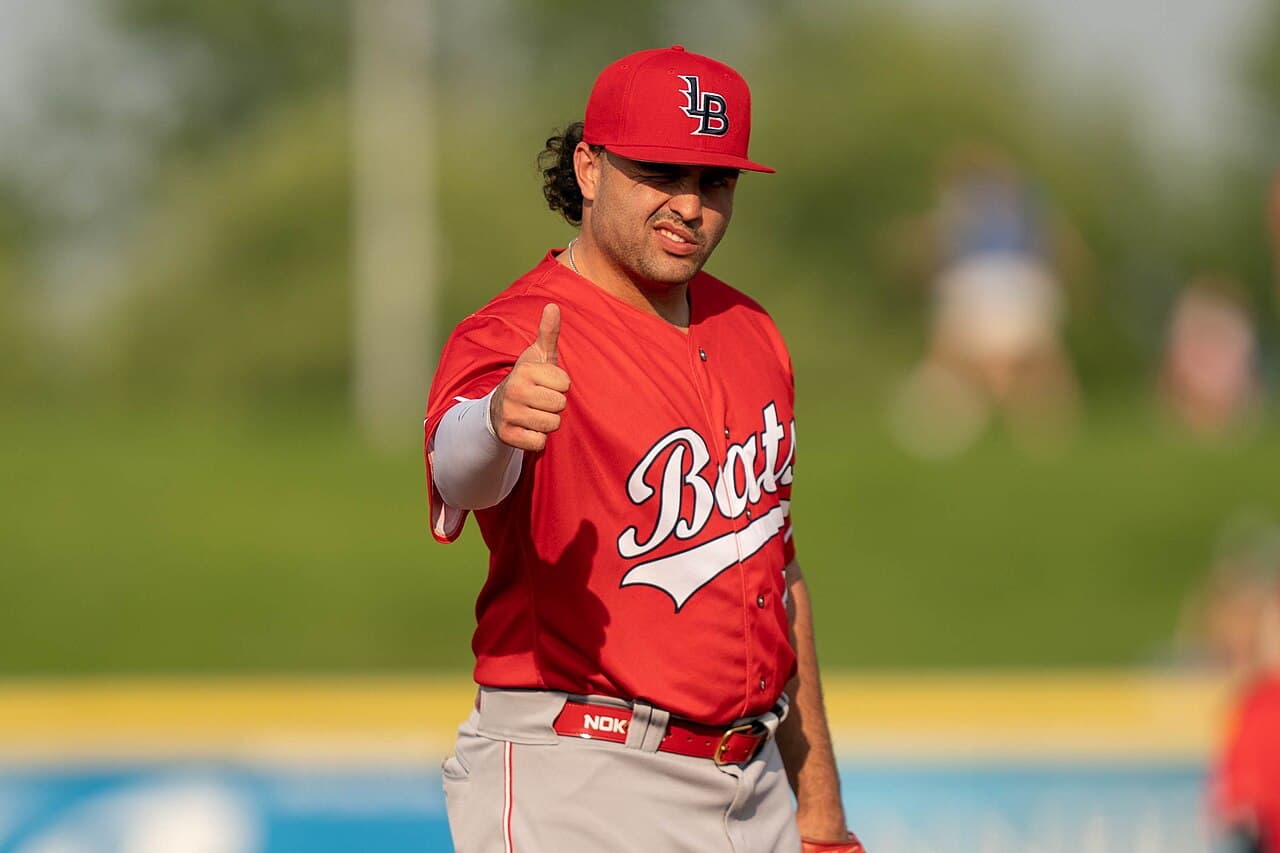
Friday ended the losing streak. The column published reads on five games from the July 31 board, two of which carried a stated direction, and both landed. Cincinnati, named the day's widest disagreement with the market, won 8-7 on a rookie's late rally. New York, a modest lean against a Cubs price the standings did not support, won 2-0 behind a shutout. That is a 2-0 day after two straight 1-2 days, and unlike Thursday, the picks won for the reasons they were made.
The scorecard
Two graded reads, two correct.
The first was Cincinnati at home against Pittsburgh. The column called it the widest confirmable disagreement on the board: the market had the Pirates near -126, implying roughly 56 percent before the sportsbook's margin, on a number built almost entirely on Paul Skenes. The published read was against paying a road favorite price on a .500 club whose case rested on one arm. Cincinnati won 8-7.
The second was Yankees at Cubs. Chicago was listed near -148, implying about 60 percent, with the two clubs separated by a single game, Chicago 62-47 and New York 61-48. FanDuel Research's published projection put the Cubs at 55.8 percent, several points under what the price implied, and the column called that gap a modest lean toward New York. The Yankees won 2-0.
The day's firmest side by probability was Detroit at the Athletics, listed near -154 with SportsGrid's published projection at 61 percent. The column posted that game explicitly as having no edge, because price and projection agreed almost exactly, and claimed no lean. Detroit won 13-1 on Dillon Dingler's grand slam in a seven-run eighth. That belongs in the record as a calibration note rather than as a pick. When model and market agree at 61 percent the game is not an opportunity, and a twelve-run margin does not turn it into one after the fact.
A slate-wide accuracy percentage and Brier figure for Friday were not retrievable from Verdexed's public accuracy surface at the time of writing, so no number is quoted here. What is verifiable is the published output and the confirmed final scores, and on that basis the model went two for two.
Best call / worst miss
The best call was Cincinnati, and the mechanism held. The argument was never that Skenes would pitch badly. It was that a road price built on one starter overpays, because one starter covers only part of a game. Skenes struck out seven and Pittsburgh carried a 7-5 lead into the bottom of the eighth. Then the rest of the roster showed up. Sal Stewart's two-run single off Wilber Dotel tied it at 7, Stewart scored the go-ahead run from third on a Brandon Lowe fielding error, and Emilio Pagan worked a scoreless ninth for the win. Stewart finished with four RBIs including a two-run homer. The lean cashed for precisely the reason it was written.
There was no losing pick, so the worst entry on the card is an error rather than a result. The column previewed Rangers at Astros as Jacob deGrom against Hunter Brown and declined to post a lean, citing two front line starters compressing the range of outcomes. Nathan Eovaldi started for Texas, not deGrom. The premise for withholding a lean was wrong on its face, and the game was not close: Houston won 11-2, with Yainer Diaz tying a career high with four hits, and moved into first place in the AL West. Getting the probable pitcher wrong is a bad input error in the sport where the probable pitcher is the single largest feature, and it is worse than a lean that loses honestly.
The other ungraded game is worth recording without claiming credit. The column refused to post a side on Red Sox at Dodgers because Los Angeles had not named a starter. Boston won 9-4, taking apart a Dodgers bullpen game after Cole Irvin allowed five runs in the seventh. Withholding a lean on missing information was the right process, but a game with no stated direction is not a win, and counting it would be the kind of retroactive credit this column exists to avoid.
What it means
Two correct sides is a good day and almost no evidence. Adding Friday to the three days before it puts this column's own published sides at 7-4 across four days. Eleven graded reads is far too small a sample to say anything about calibration, and the accuracy page settles that question over weeks.
The more useful observation concerns the pattern flagged Thursday. Two straight days had lost the widest-edge read, both times because the model doubted a market price on a starting pitcher and the pitcher delivered. Friday ran the same play against a price built on Skenes, and it worked without needing Skenes to fail. Three data points do not separate variance from a real read, but the losing version of that pattern did not extend.
What did not improve is the input hygiene. Two of the five games published Friday carried starter information that was unconfirmed or wrong, and those two produced the day's most lopsided results. The graded sides won. The board around them was shakier than the record suggests.
Responsible play
**This is a record of past model output, not betting advice.** Verdexed grades its model in public for transparency and entertainment. Past results do not predict future outcomes, nothing here is a recommendation to place a wager, and no pick is ever a guarantee, even a strong model loses regularly.
**You must be of legal betting age in your jurisdiction** and located where sports wagering is legal to bet. Sports betting is not available everywhere; know and follow the laws where you are. Never bet more than you can afford to lose, and never chase losses.
If gambling is affecting you or someone you know, help is available. In the US, call or text **1-800-GAMBLER** (1-800-426-2537), or visit ncpgambling.org. Please play responsibly.