MLB Closer Carousel: Hader Returns, Chapman Draws Interest, and Saves Get Murky
By Verdexed MLB Desk
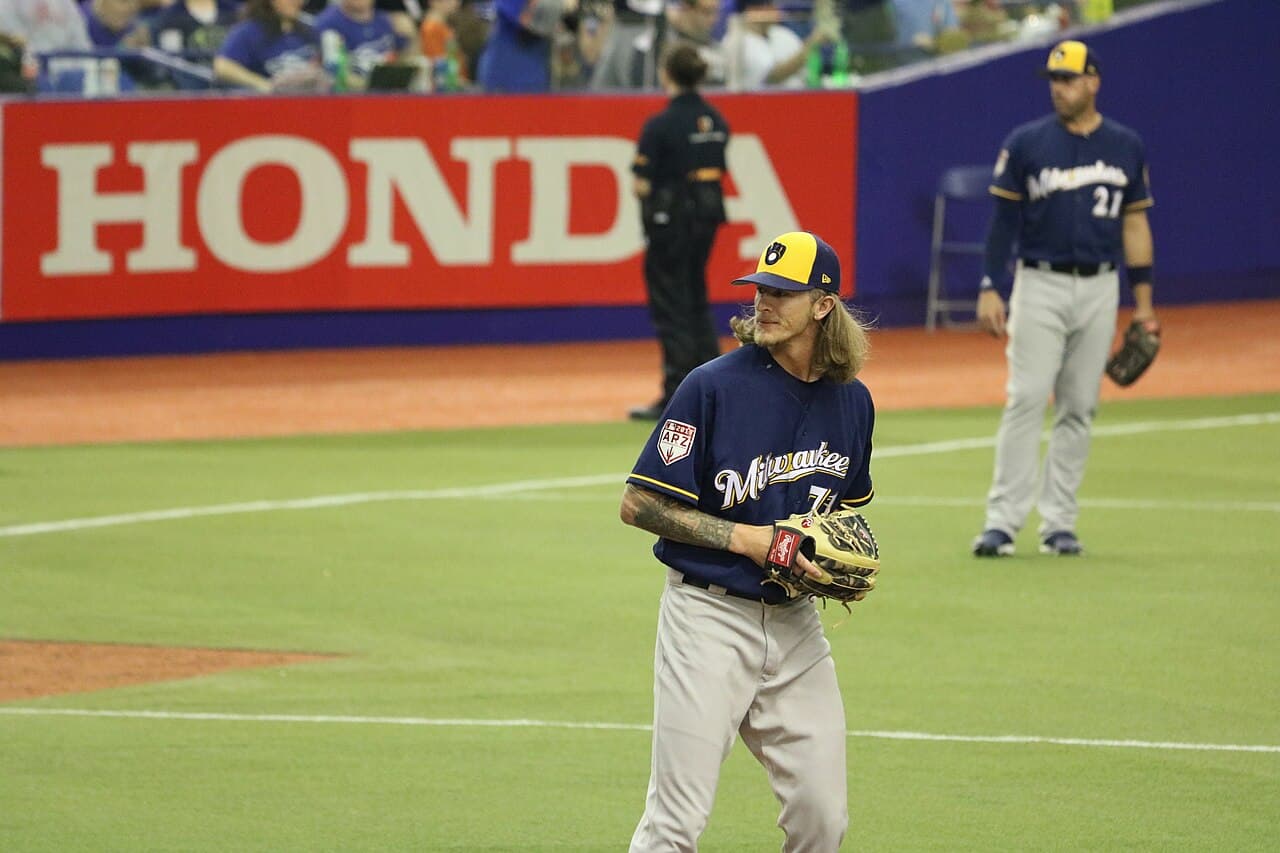
Saves are the most volatile category in fantasy baseball, and the 2026 closer landscape is shaping up to be especially chaotic heading toward the trade deadline. Two of the game's premier relievers anchor the storyline: Josh Hader is back from the injured list and reclaiming Houston's ninth inning, while Aroldis Chapman is in the middle of a dominant season in Boston. Both could be on the move this summer, and that uncertainty is exactly what makes closer management a season-defining edge for save-chasers.
Hader returns to stabilize Houston
The Astros activated Hader off the injured list, and he should slot directly back into the closer role. His return is badly needed: Houston's bullpen struggled to hold leads in his absence, and few relievers in the game offer the kind of strikeout-fueled stability he provides. He tossed a clean rehab frame with a strikeout before being activated, the sort of low-stress tune-up that points to a quick return to form.
For fantasy, Hader is a clear hold and a buy-low if a nervous manager in your league is shopping him after the IL stint. He is one of the safest sources of saves in the sport when healthy, and the role is his. The only cloud is the same one hanging over several veteran closers this summer: if Houston entertains selling at the deadline, Hader is the kind of high-value reliever who could be dealt to a contender, which would scramble his save opportunities depending on his new team's ninth-inning situation.
Chapman is dominating, but the chances have dried up
Chapman has been one of the best relievers in baseball at age 38, pitching to a microscopic ERA across his outings with double-digit saves for the Red Sox. The catch for fantasy managers is recent opportunity: his last save came in late May, and he has pitched sparingly since, largely because Boston has been either losing or winning by margins too wide to generate save chances. That is a usage quirk, not a performance concern.
Chapman is also a prime trade candidate. Reporting links contenders, with San Diego repeatedly mentioned as a club with long-standing interest, to veteran closers like Chapman as they shop for bullpen help. A move to a deep contender could either preserve his closer role or push him into a high-leverage setup spot, which is the central risk for anyone rostering him for saves.
The broader carousel
The instability is not limited to those two. Kenley Jansen exited a recent outing with a groin injury, according to early reports, the kind of development that can suddenly open a ninth-inning vacancy for an enterprising handcuff. Across the league, several contenders entered June with shaky bullpens, and the deadline market for relief help is shaping up to be active. Every veteran closer dealt to a new team is a save source whose role can change overnight.
The Verdexed model take
Our model treats saves as a role-dependent category, which is why it weights bullpen hierarchy and team context as heavily as a reliever's raw skills. A dominant arm in a non-save role is worth far less in standard formats than a merely good arm who owns the ninth inning, and trades are the fastest way for that hierarchy to flip.
The model's guidance for the deadline window is to prioritize role security over pure stuff. Hader's role is currently secure in Houston, which our projections reward. Chapman's skills are elite, but his projection carries a wider band because of both the save-chance drought and the trade risk. The leverage play, as always with saves, is to speculate on the setup men behind unsettled or potentially-traded closers, because the next save source is often already on the roster.
The deadline is the real wild card
The single biggest threat to save stability over the next two months is the trade deadline itself. Every contender shopping for bullpen help, and every seller dangling a veteran closer, represents a potential role change that can vaporize a fantasy manager's saves overnight. A closer dealt to a team with an established ninth-inning option may immediately lose the role, while a setup man on a selling team can inherit save chances the moment his closer is moved.
That dynamic rewards managers who think one step ahead. Before the deadline, it is worth cataloging which closers are most likely to be traded, which teams are most likely to buy relief help, and which setup men are best positioned to inherit a role. The saves that decide categories in September are often claimed in late July by the managers who anticipated the reshuffling, not the ones who reacted to it after the fact.
What to do in your league
Hold Hader and buy him if the price dropped during his IL stint. Hold Chapman for the ratios and the saves he will accrue, but understand a trade could change his role, and have a contingency in mind. Most importantly, get ahead of the carousel: identify the top setup man behind every closer who could be traded or who is pitching hurt, and stash the one or two with the clearest path to the ninth inning.
Saves are won on the waiver wire in July and August by managers who anticipated the role change before it happened. With Jansen banged up and a deadline market full of movable closers, the next few weeks are when those bets get made. Speculation now is cheaper than chasing saves after the music stops.