Michael Harris II Is Hitting Like a Star Again: The Statcast Says the Braves Center Fielder Is Back
By Verdexed Analytics
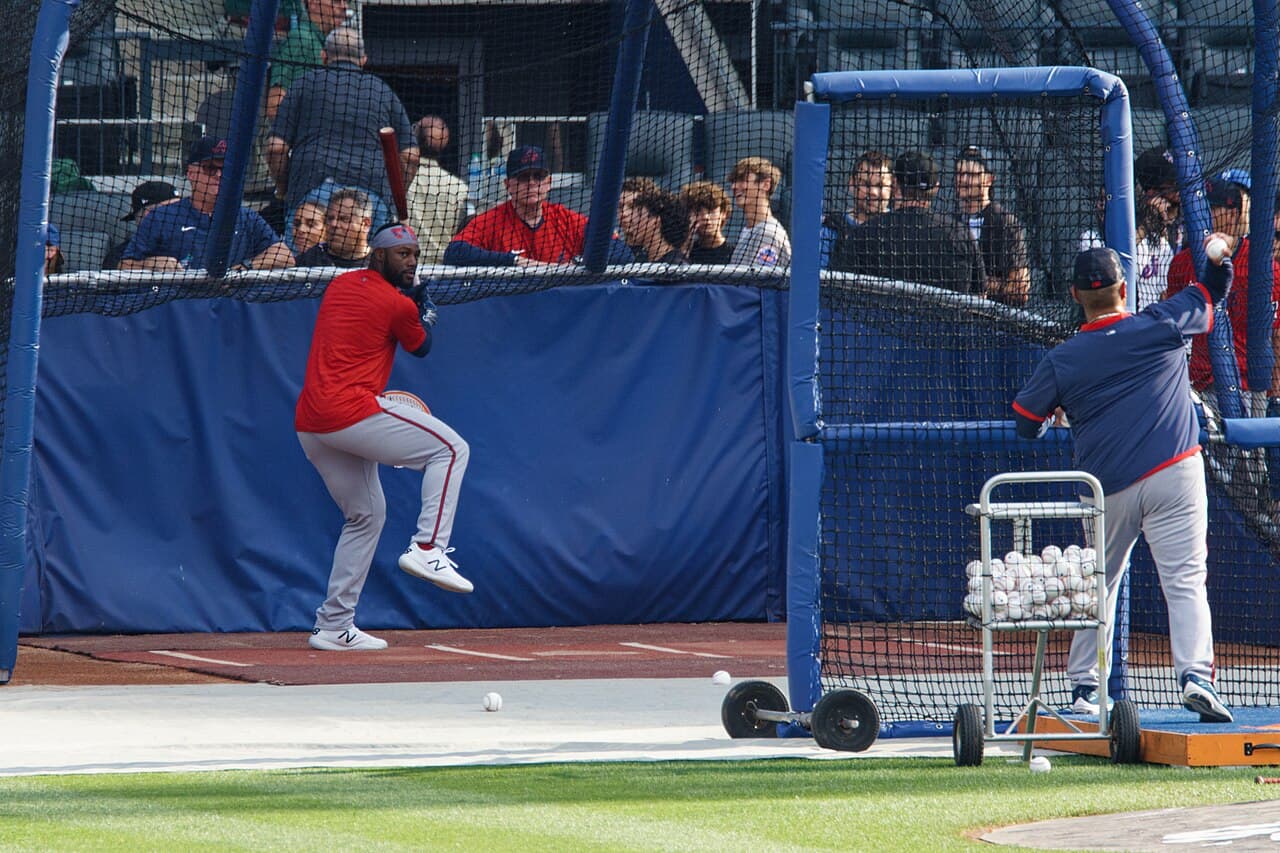
Michael Harris II is playing like the dynamic center fielder fantasy managers drafted, and the underlying numbers say it is no mirage. The Atlanta Braves outfielder is hitting better than .300 with double-digit home runs and a slugging percentage well above .500, and the Statcast profile backing the production ranks among the best in the league. After stretches of inconsistency that frustrated managers, the 2026 version of Harris looks like a buy-and-hold star again.
This matters for fantasy because Harris offers the rare combination of power, speed, and batting average from a premium position, and a manager who believes the underlying metrics can acquire him before the price fully catches up to the production. Reading the Statcast is how you separate a hot streak from a genuine return to form.
The line and the metrics
Harris is slashing around .307/.341/.527 with roughly a dozen home runs and 36 RBI through the season's first couple of months. The slash line alone is excellent, but the underlying numbers are what make it credible. His batted-ball metrics rank among the best in the league, and his chase rate, the share of pitches outside the zone he swings at, has come down to a low number that points to improved plate discipline.
That last point is the tell. Chase rate is one of the more stable indicators of a hitter's approach, and a meaningful drop usually signals a real adjustment rather than a lucky stretch. Combined with the hard contact, the profile suggests Harris has tightened his approach without sacrificing the aggression that powers his game. That is the recipe for a sustainable breakout rather than a fade.
Why this version is different
Harris has always had loud tools, but his fantasy value has wobbled because of an aggressive approach that produced cold stretches when the contact quality dipped or the chase rate spiked. The 2026 profile addresses exactly that weakness. A lower chase rate means more pitches to drive and fewer weak outs, which stabilizes both the batting average and the power.
The position adds to the appeal. Center field is not as shallow as catcher, but a five-category contributor who runs, hits for average, and provides power from up the middle is a roster-builder in any format. When that player is also showing the best plate discipline of his career, the fantasy ceiling rises accordingly. This is the kind of season that turns a frustrating talent into a reliable weekly anchor.
The lineup context only sweetens the case. Hitting in the middle of a strong Atlanta order, Harris benefits from both run-scoring and RBI opportunity, the counting stats that round out a fantasy profile already loaded with average, power, and speed. A talented hitter in a productive lineup is the cleanest path to five-category value, and Harris checks every box when the bat is going.
Fantasy fallout
Harris is a hold for managers who own him and a buy-high-with-conviction target for those who do not. The instinct to sell high on a hot start is usually sound, but the metrics here argue against it: the production is supported by the underlying numbers, which means the floor has risen rather than the ceiling simply being touched early.
For managers trying to acquire him, the play is to pay a fair price now rather than wait for the market to fully bake in the breakout. The combination of average, power, and speed across five categories is hard to replace, and the improved discipline lowers the risk of the cold stretches that previously dragged his value down. He is a foundational fantasy piece when he is playing like this.
The Verdexed model take
Verdexed's hitter model weights chase rate, hard-hit rate, and barrel quality heavily because those inputs stabilize faster than results and forecast future production better than batting average alone. On those measures, Harris grades as one of the more sustainable breakouts in the league, with the model reading his improved discipline as a genuine skills change rather than variance.
The model's rest-of-season projection has Harris continuing to produce across all five fantasy categories, with the average and on-base gains supported by the lower chase rate and the power backed by the hard contact. The edge is recognizing that the bounce-back is real and that the underlying numbers justify treating him as a top-tier outfielder rather than waiting for the regression that the metrics suggest will not come.
What to do in your league
Hold and start with confidence. If you drafted Harris and were tempted to sell high, the metrics say keep him, because the production is built on a foundation that should hold. The five-category profile from center field is exactly the kind of asset that anchors a contending roster.
If you are shopping for an outfielder, Harris is worth a real offer even at an elevated price. The improved plate discipline lowers the downside that previously made him a risky hold, and the upside is a perennial fantasy star playing to his ceiling. Pay for the certainty the metrics provide.
What's next
The number to watch is the chase rate. If Harris keeps his discipline tight, the average and the power should both hold, and the breakout will look more like a new baseline than a hot start. Any sustained spike in chase rate would be the early warning, but for now the profile points to a star center fielder who has rounded back into form at exactly the right time for fantasy managers.