Macklin Celebrini's $18.8 Million Just Made Cale Makar's Next Deal More Expensive
By Verdexed NHL Desk
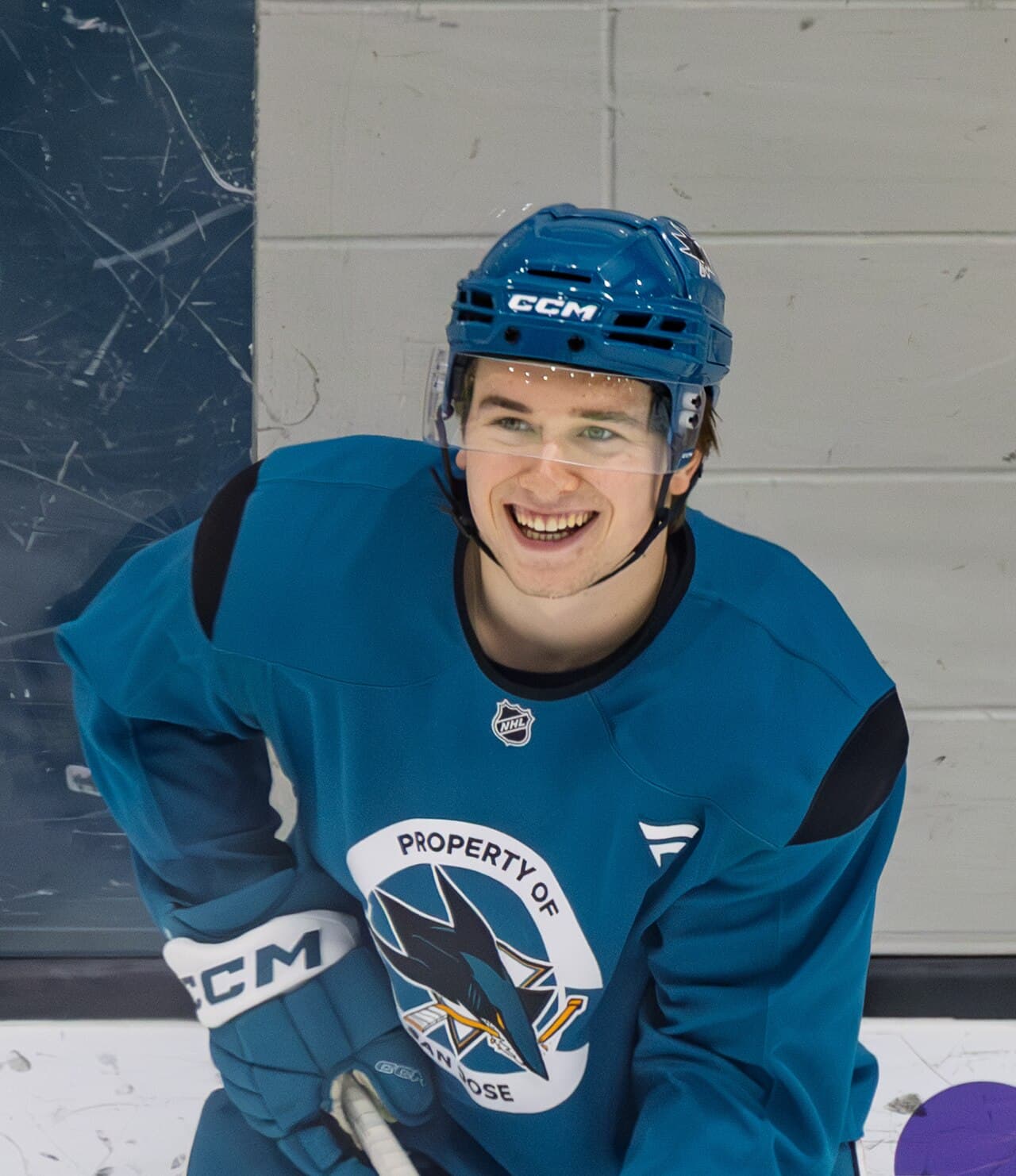
Macklin Celebrini signed a five-year extension with San Jose this week at a reported $18.8 million average annual value, beginning in 2027-28, surpassing Leo Carlsson's league-leading $18 million cap hit for 2026-27. The immediate consequence for the rest of the league is that every negotiation involving a franchise player now has a higher anchor, and no negotiation is more affected than Colorado's with Cale Makar.
Makar is currently signed to a six-year, $54 million contract carrying a $9 million cap hit that expires at the end of the 2026-27 season. As of this summer he is eligible to sign an extension, and Colorado has not done so.
The math Colorado is staring at
Makar's current cap hit is one of the best value contracts in the sport and has been for years. A defenseman of his caliber at $9 million is the kind of deal that lets a team build a contender around it. That era is ending.
Reporting around the league has floated the possibility that Makar could become the highest-paid player in the NHL when he signs. If he does, he would more than double his current cap hit. Speculation has centered on whether he follows the blueprint Nathan MacKinnon used in 2022, when MacKinnon signed for a small increment above the league's then-highest-paid player, a structure that would put Makar just above Celebrini's number.
An eight-year deal at that level would carry a total value well north of $150 million and would be, by a wide margin, the largest contract in league history. There is also a hard ceiling in play: the collective bargaining agreement caps individual salary at a percentage of the team cap, and reporting has put the projected maximum for the relevant seasons in the low $20 millions.
Why Colorado may not want to rush
Waiting is not obviously wrong. A team that extends a player a full season before his contract expires locks in a number at whatever the market says today. If the market moves, that can look brilliant or terrible in either direction.
Colorado's specific complication is roster construction. MacKinnon is already on a substantial deal, and adding a second contract at or near the individual maximum concentrates a very large share of the cap in two players. That is workable in a rising-cap environment and dangerous in a flat one.
The counterargument is that the anchor keeps moving up. Celebrini reset it this month. If Colorado waits another year, the next reset may have already happened.
Fantasy fallout
Makar's fantasy value is not in question and will not change based on a contract. He has been the consensus top fantasy defenseman for several years, and the profile that makes him so, elite power play production, heavy minutes, and a scoring rate no other defenseman matches, is unrelated to his salary.
Where contract news does matter for fantasy is in the tail scenarios. A player heading into the final year of a deal without an extension is the kind of situation that occasionally produces trade speculation, and trade speculation eventually produces real trades. That probability is low here. Colorado is not moving Makar. But it is not zero, and dynasty managers should note that the extension has not been signed.
The more practical fantasy read is on the Colorado supporting cast. A team that eventually commits a huge share of its cap to two players has less flexibility to retain depth, and depth is where fantasy-relevant secondary scoring comes from. Colorado's forward group beyond the top line is the part of the roster most likely to be thinned by a Makar extension at the maximum.
The Verdexed model take
Our defenseman projections have Makar comfortably at the top of the position, and the gap between him and the next tier is the largest positional gap in fantasy hockey. He is a first-round pick in every format and the only defenseman most managers should consider taking that early.
On the team side, our model treats Colorado as a legitimate contender for the coming season, with the roster largely intact and the cap situation not yet constrained by the Makar extension. That is the window. The 2026-27 season is the last one where Colorado gets Makar at $9 million, and our projections reflect a roster that can afford supporting talent around its stars.
The 2027-28 projection is where the model gets less confident. A roster carrying two contracts near the individual maximum is a specific kind of team: high ceiling, thin depth, and heavily dependent on both stars staying healthy. That structure produces more variance, which matters for futures markets more than for a single-season projection.
Betting angle
The Colorado futures market for the coming season is the one to look at, and the argument for it is the value contract. A team with a top-two defenseman in the league at $9 million has spending power that its competitors do not, and that structural advantage disappears the moment Makar signs.
The Norris Trophy market is the other one. Makar is typically the shortest price on that board, and short prices on repeat award winners are rarely value. The better version of that bet is on a defenseman in the second tier at a long price, because the Norris has historically been more volatile than its favorites imply.
The contract itself is not a betting market, but the news flow around it will move Colorado's futures pricing when it lands. Extensions that consume cap space tend to depress a team's out-year futures modestly, which is usually an overreaction in the near term and an underreaction in the long term.
What it means
Celebrini's deal did not just set a record. It moved the ceiling for every negotiation that follows, and Makar is the most consequential of those.
Colorado has one more season of the most valuable contract in hockey. What it does with that season, and how it structures the extension that follows, determines the shape of the roster for the rest of the decade.
What's next
Watch for whether Colorado engages seriously before training camp or lets the situation carry into the season. Teams that intend to pay usually prefer to do it in the offseason, when the news cycle is quiet. A negotiation that stretches into October and November tends to mean the sides are further apart than the public assumes.