LeBron James, Unrestricted at 41, Signals a Slow-Play Decision That Could Stall the Lakers
By Verdexed NBA Desk
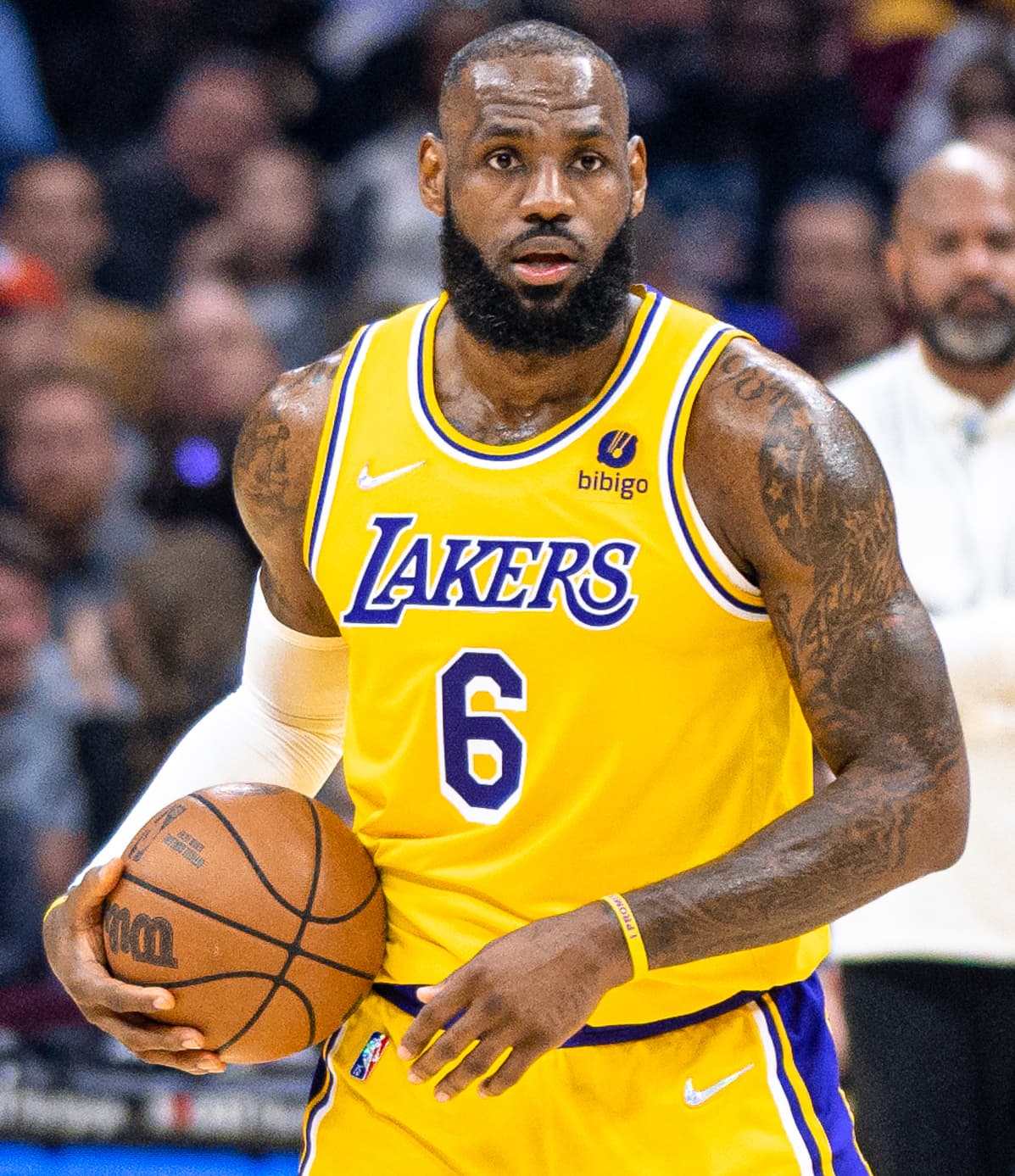
LeBron James is an unrestricted free agent for the first time since 2018, and entering his age-41 offseason he has signaled a decision he is in no rush to make. According to reporting around his situation, James plans to wait, potentially into late June, July, or even August, and intends to take a family vacation before settling on his next step. Retirement is technically on the table, though it is widely viewed as unlikely this summer.
The deliberate timeline is itself the news. James controls one of the most consequential choices of the offseason, and by stretching it out he keeps multiple franchises, their cap sheets, and an active futures market all waiting on him. For the Los Angeles Lakers especially, the wait does not just create suspense; it stalls a roster-building calendar with firm deadlines.
A calendar with hard dates
The 2026 free-agency negotiating window opens June 30 at 6 p.m. ET, with signings permitted beginning July 6. Those dates are the scaffolding every front office plans against, and a player of James's stature drifting past them forces teams to either hold money in reserve or move forward without knowing his answer. A decision that slides toward August leaves precious little runway to adjust.
Reporting has floated the Lakers, Cavaliers, and Golden State Warriors as frontrunners or suitors, but those should be read as media speculation rather than any stated preference from James. He has not publicly tipped his hand, which is precisely why each fresh report can nudge the market. The longer the public timeline runs, the more those reports pile up and the more often prices move.
The Lakers' conditional cap squeeze
The projected 2026 salary cap sits around $165 million, and the Lakers, Bulls, and Nets have been flagged as teams with real spending room. For Los Angeles, that room is conditional. Per ESPN's Bobby Marks, the Lakers could become a cap-space team for the first time since 2019, but only under a specific scenario: James, Rui Hachimura, and Luke Kennard would all need to come off the books or sign minimum deals to clear the path.
That conditional framing is the heart of the Lakers' bind. They cannot fully commit to a cap-space plan while James deliberates, because his return at any meaningful salary would swallow the very space they would be chasing. Each week he waits is a week the front office cannot confirm whether it is operating over the cap or under it, and that ambiguity bleeds into every adjacent decision.
The Reaves wrinkle
Layered on top is Austin Reaves. He has indicated he will not sign an extension and intends to reach unrestricted free agency, with the Lakers holding his Bird rights. That lets Los Angeles retain him even over the cap, but it also adds another sizable, unresolved figure to a ledger that James's decision already complicates.
For keeper and dynasty readers, this is where the fantasy stakes concentrate. A James departure would not just free salary; it would free usage. Reaves and the Lakers' younger players would inherit shots, touches, and late-game responsibility that currently route through James. The scenario in which James leaves while Reaves stays on a new deal is the one that most plausibly spikes Reaves's fantasy value, and by extension the value of the rest of the Lakers' young core.
The Verdexed angle
The Verdexed model treats an unusually long public timeline as an opportunity for bettors rather than a nuisance. Two markets stand out. The first is the "where will he sign" futures market, where odds shift with each report; a multi-month decision means repeated chances to catch a number before it moves, especially around the news beats that tend to follow a vacation ending. The second is an over/under on whether James plays at all in 2026-27, given that retirement remains technically live even if unlikely.
The under-covered angle is the surprise-destination longshot. Reporting clusters on the Lakers, Cavaliers, and Warriors, but the teams with genuine cap room include the Bulls and Nets, neither of which dominates the narrative. In a market where the obvious suitors get bid down, a small position on a room-rich outsider is the kind of longshot that pays disproportionately if a single report cracks the consensus. The model's read is to monitor cap-space teams, not just brand-name contenders.
What the wait does to the field
James's deliberation does more than set his own price; it gates the rest of free agency. Mid-tier free agents who might fit beside him, or replace him, often cannot finalize plans until his decision clears, and rival teams chasing the same dollars wait on the same dominoes. The result is a market that can sit unusually still through early July and then move quickly once he chooses.
That dynamic is tradable in its own right. Bettors and dynasty managers who position before the logjam breaks, on Reaves's role, on Lakers win totals, on James's landing spot, stand to benefit from the inevitable repricing when the wait ends. In this market, the patient money is the prepared money, because the field cannot move until the headliner does.
What's next
The near-term markers are the June 30 negotiating window and the July 6 signing date, but James's own calendar may extend well past both. Expect reporting to intensify as his stated vacation winds down, and expect each beat to tug at both his futures odds and the Lakers' cap outlook.
The actionable takeaway: shop the James landing-spot futures and the plays-in-2026-27 over/under across the long timeline rather than betting early, since the odds will move repeatedly with reporting. For dynasty players, pre-position on Austin Reaves as the clearest beneficiary of a James departure, and keep a small longshot eye on Bulls or Nets cap space as the surprise destination the consensus is currently ignoring.