Kevin Durant Trade Buzz Builds as the Rockets Weigh a One-Year Pivot
By Verdexed NBA Desk
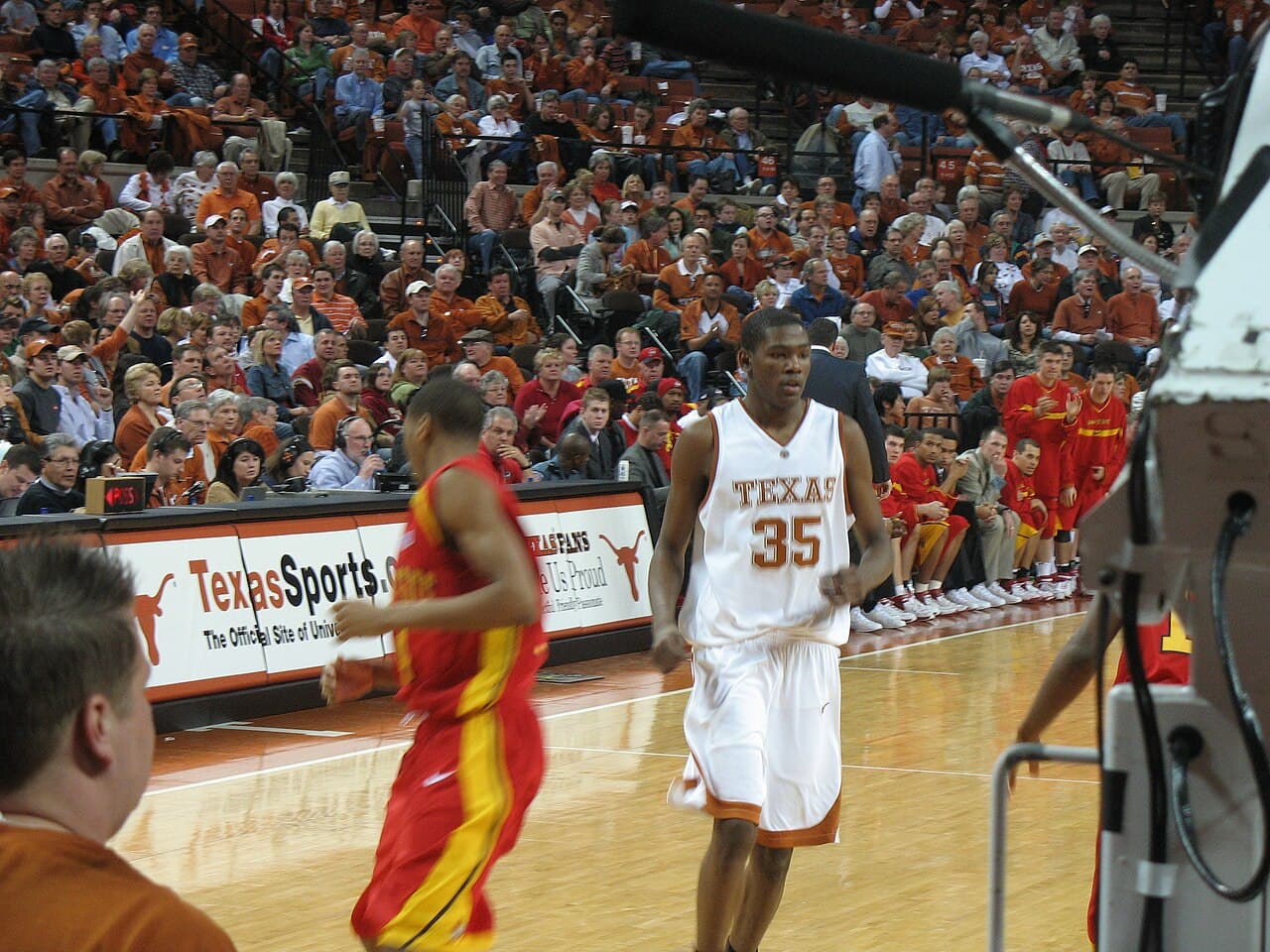
Kevin Durant is back at the center of the offseason rumor mill, with multiple reports suggesting the 37-year-old scoring champion could leave the Houston Rockets after just one season. Miami has been the most frequently floated destination in a possible sign-and-trade, and while nothing is finalized, the chatter is loud enough that dynasty managers and contention-watchers should be paying attention with the June 23 draft serving as a soft deadline for clarity around the league.
The state of the rumor
The reporting paints Durant as a player who could be available if the right framework emerges, with at least one prominent voice characterizing him as on the market. The complicating factor is the recent history: teams have watched the way Durant's tenures ended in Brooklyn, Phoenix, and now potentially Houston, and that pattern makes some front offices cautious about the cost and the fit, even for a player who remains an elite scorer.
The practical read is that Durant's market is real but narrower than his talent alone would suggest. A sign-and-trade involving Miami has been the most persistent scenario, but the framework would have to satisfy Houston's desire for value and Miami's salary and asset constraints, which is why nothing has moved quickly. As with most stars of this stature, the resolution often arrives in a flurry around draft night when teams are forced to make decisions.
Why it matters for contention
A Durant move would reshape the contention picture in both conferences. Houston built around a win-now veteran core and would have to recalibrate if it pivots, potentially toward youth and flexibility; a team acquiring Durant bets that an elite scorer raises its ceiling enough to justify the cost in players and picks. For a franchise like Miami, adding a player of his caliber is the kind of swing that changes a season's expectations.
The fit questions are real on every hypothetical landing spot. Durant remains a devastating halfcourt scorer and a willing defender in stretches, but his age and the asset cost mean any acquiring team is buying a two-or-three-year window, not a long-term build. That tension, immediate ceiling versus future flexibility, is the heart of why the market has moved deliberately.
The fantasy angle
For fantasy basketball, Durant's situation is a usage-and-pace story. He has remained a high-volume scorer with excellent efficiency and meaningful contributions across the box score, so his per-game value is relatively portable. What changes with a move is the surrounding usage: landing alongside another high-usage star could trim his shot volume, while becoming the clear first option somewhere would push it back up.
Dynasty managers should treat Durant as a player whose elite production is intact but whose long-term value is age-capped. A trade does not change his ranking dramatically for next season, but it does affect the players around him, and the secondary fantasy fallout, who gains usage in Houston if he leaves, who loses shots on his new team, is where the actionable edges live.
The Verdexed model take
The model still grades Durant as a top-tier offensive player on a per-possession basis, with the obvious aging curve attached. Its read on the trade market is that the gap between his on-court value and his trade value is the entire story: he is good enough to swing a contender's ceiling, but the combination of age, salary, and the recent pattern of messy endings compresses what teams will surrender.
The model's cleaner takeaway is on team win equity. A Durant addition would meaningfully raise an acquiring team's projected scoring and short-term win total, while Houston's outlook would hinge on what comes back. For bettors eyeing futures, the lesson is to wait: title and win-total markets will reprice quickly once Durant's situation resolves, and acting before the resolution is guessing.
The historical lens on aging stars
The market's caution reflects a broader pattern: aging superstars on big contracts tend to return less in trade than their production suggests, because acquiring teams price in the years left rather than the talent now. Durant remains an elite scorer, but the league has watched enough late-career star moves to be wary of overpaying in assets.
For an acquiring team, the bet is that an elite scorer raises a contender's ceiling enough to justify a short window. That can be the right gamble for a team a piece away and the wrong one for a team that needs youth. The deliberate pace of the market is the league collectively working through that math in real time.
What to do
Dynasty managers should hold Durant for his still-elite production while acknowledging the age cap, and should track the secondary names, the Houston wings who would gain usage if he departs and the players whose roles shrink on his new team. Those ripple effects are where value is won.
Bettors should sit on their hands until a deal is done or definitively off. The June 23 draft is the natural forcing function, and the smart money waits for the new landscape rather than betting on a rumor that has not yet become a transaction.
The cleanest summary is that this is a wait-and-watch situation in every respect. Durant's talent is not in question; his fit, his price, and his timeline are, and all three tend to resolve at once when a deal finally lands or formally dies. Until then, the disciplined move for managers and bettors alike is to hold positions, track the secondary names, and let draft night force the issue.