Giants Drift Toward a Sell-Off: Robbie Ray Is the Likeliest Chip, and Logan Webb Draws Calls
By Verdexed MLB Desk
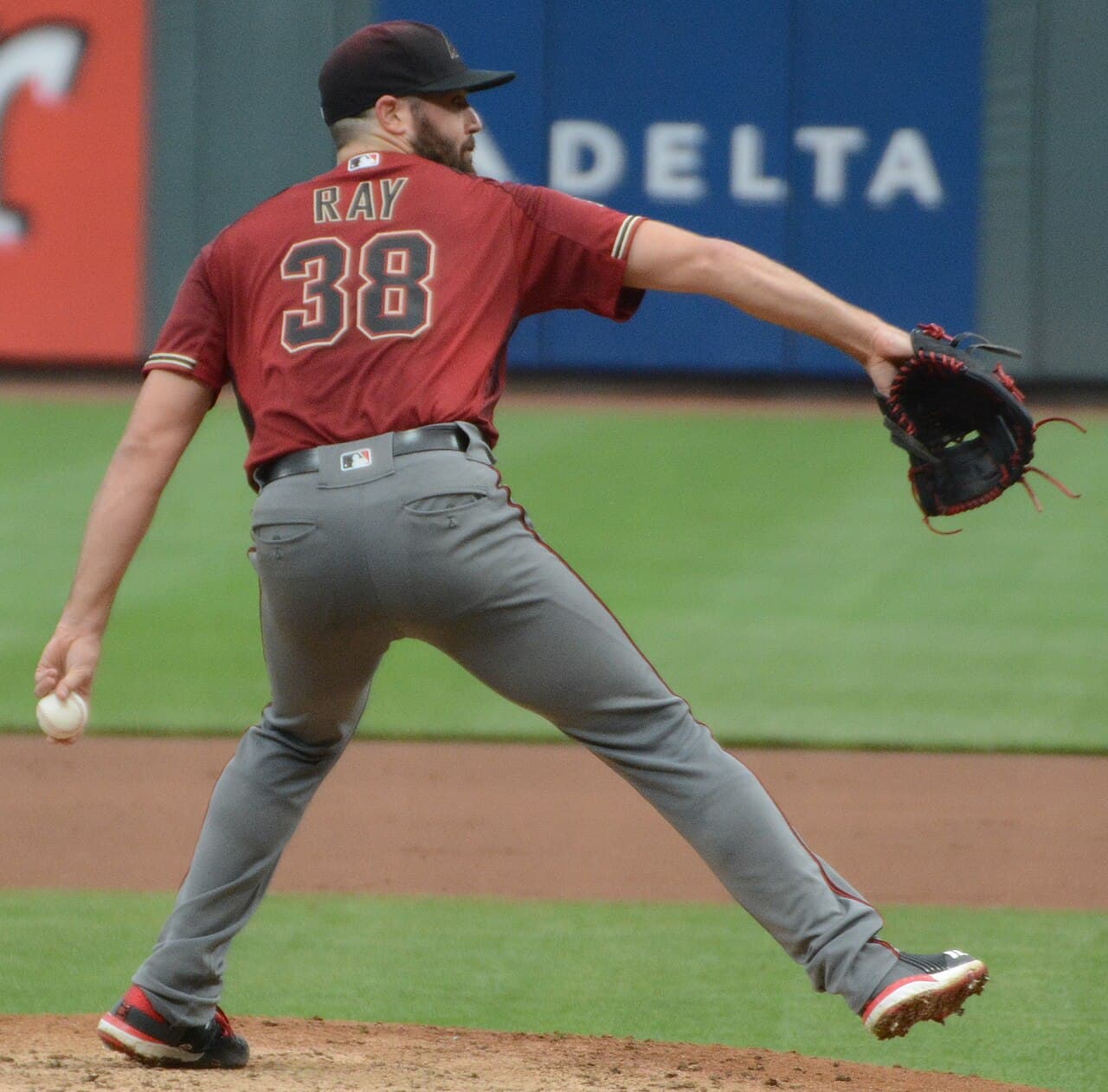
The San Francisco Giants have reached the point in their season where the conversation shifts from contention to liquidation. At 23-37 and sitting fourth in the National League West, San Francisco's playoff hopes are fading fast, and the team is increasingly likely to sell at the August 3 trade deadline. The clearest trade chip is left-hander Robbie Ray, on an expiring contract, while executives have floated the more dramatic possibility that the Giants could at least listen on ace Logan Webb.
For fantasy managers and bettors, a Giants sell-off ripples in every direction: it changes the value of the players being moved, the teams acquiring them, and the rest-of-season outlook for the bats left behind in a lineup losing pieces. Reading the likely moves early is how you get ahead of the market.
Why San Francisco is selling
The record tells the story. A 23-37 start has buried the Giants well back in a tough division, and the math on a postseason push is daunting. That reality is colliding with a roster carrying enormous long-term salary commitments, which limits the front office's flexibility and pushes it toward recouping value where it can.
The biggest contracts, including the long-term deal owed to Rafael Devers that runs deep into the next decade, plus significant money committed to Willy Adames, Matt Chapman, and Jung Hoo Lee, are widely viewed as difficult to move. One insider expressed skepticism that any of the team's largest contracts changes hands this summer, because the dollars and years complicate the pool of interested teams. That means the sell-off is more likely to come around the edges than at the core.
The likeliest chips
Robbie Ray is the name to watch. At 34 and on an expiring contract, he profiles as a classic deadline rental for a contender seeking rotation help, and several executives view him as a safe bet to be traded. Impending free agents Luis Arraez and Tyler Mahle are also logical chips, the kind of veterans a seller moves to recoup prospects rather than lose them for nothing.
The more provocative scenario is Logan Webb. Reports indicate the Giants could at least listen to offers on their ace, which would mark a far more aggressive pivot toward a rebuild. Moving a frontline starter under control would command a massive return and signal that San Francisco is resetting rather than retooling. That is the kind of move that reshapes the deadline market, even if it remains the less likely outcome.
Fantasy fallout
For the players being shopped, a trade is usually a value boost. Ray moving from a sub-.500 team to a contender improves his win equity and could upgrade his run support and defense behind him, all positives for fantasy. Mahle in a new park and role carries similar upside. Managers who roster either should monitor the situation, because a change of scenery to a better team can turn a streamer into a steadier weekly start.
Webb is the bigger fantasy domino. He is already a high-end fantasy starter, but a trade to a contender with a better lineup and bullpen would raise his win total and high-leverage value. Managers who own him should hold and hope for a move; managers in win-now fantasy leagues could even buy in anticipation of an upgrade in situation.
The flip side is the Giants' hitters. As pieces are subtracted, the lineup around the remaining bats thins out, which can suppress counting stats like runs and RBI for the players who stay. That is a quiet drag worth factoring in for anyone rostering San Francisco hitters into the second half.
The Verdexed model take
Verdexed's deadline model values traded pitchers on the change in their surrounding context: run support, bullpen quality, defense, and park. By that measure, the model sees clear upside for Ray and Mahle if they land with contenders, with their fantasy projections ticking up purely from the improved environment even if their underlying stuff holds steady.
On the betting side, the model's read on the Giants is already bearish, and a sell-off would push their rest-of-season win projection lower still, particularly if Webb is moved. The model treats the subtraction of an ace as a multi-win swing over a half-season, which matters for anyone holding Giants futures or pricing their remaining games. The edge is to fade San Francisco's win equity now, before the deadline confirms the direction the record already points toward.
What to do
Hold the pitchers and hope for a move. Ray, Mahle, and especially Webb all gain fantasy value if they are dealt to better teams, so there is no reason to sell them low ahead of the deadline. If anything, Webb is a buy in formats where his manager is nervous about the Giants' season, because the likeliest trade outcomes improve his outlook.
Trim exposure to the Giants' hitters whose value depends on lineup context. As the roster sheds pieces, runs and RBI become harder to come by, and the bats that remain will feel it. On the betting side, treat San Francisco as a fading team whose win total only gets worse if the front office sells as expected.
What's next
The deadline is August 3, and the Giants' direction will firm up over the coming weeks as the front office gauges the market. Watch for Ray to be among the first names linked to contenders, and keep an eye on whether the Webb chatter gains traction, because that is the move that would turn a routine sell-off into one of the summer's defining storylines.