David Bednar's Shaky Yankees Season Puts His Ninth-Inning Role and the Deadline in Play
By Verdexed MLB Desk
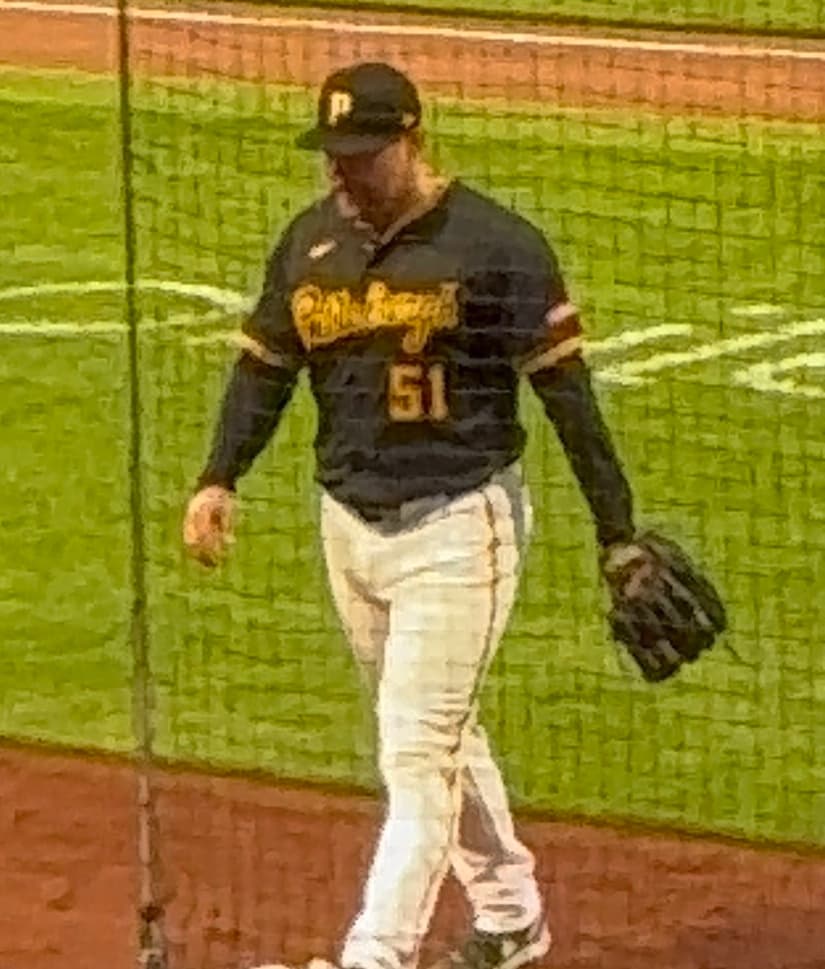
David Bednar's grip on the Yankees' ninth inning is looser than a closer's should be, and the trade deadline could tighten or break it. Bednar has been shaky in the role this season, with an elevated ERA and a handful of blown saves that have put both his job security and New York's deadline plans into focus. For fantasy managers, the situation makes Camilo Doval the handcuff worth stashing and Bednar a sell-high candidate if his recent form holds.
Closing in the Bronx comes with the shortest leash in baseball, and a contender that is not getting reliable outs in the ninth tends to do something about it before August.
The struggles
Bednar, acquired by the Yankees to anchor the back of the bullpen, has been hittable in 2026. His ERA has run high for a closer, his WHIP has been elevated, and he has blown saves in a rough stretch that drew real scrutiny. The underlying issue, per the reporting, is that his fastball and breaking ball have been getting hit hard, leaving his splitter as the lone pitch consistently missing bats. That is a precarious arsenal for a high-leverage role, where one mistake pitch can flip a game.
There is a counterpoint worth honoring: some recent coverage has flagged signs of a resurgence, suggesting Bednar may be stabilizing. The narrative is genuinely contested, which means managers should avoid treating either the collapse or the bounce-back as settled. What is clear is that his performance has been volatile enough to keep both his role and his trade status in the conversation.
The deadline overlay
Bednar is a pending free agent, which adds a layer to the calculus. A contender that is uncertain about its ninth inning and holds an expiring closer has every incentive to explore the relief market before the deadline. If the Yankees add a back-end arm, Bednar could be bumped from the role or even moved himself. An opposing executive has reportedly floated him as a possible trade candidate, underscoring that the league sees his situation as fluid.
That uncertainty is the heart of the fantasy angle. Bednar's saves are not guaranteed to keep flowing, whether because of his own performance or because of a roster move that reshuffles the back of the bullpen. The setup arms behind him, particularly Camilo Doval, become the relevant names to watch in either scenario.
The fantasy play
Doval is the speculative add and the handcuff here. If the Yankees demote Bednar, trade him, or simply ride a hot setup man through a Bednar slump, Doval is the most likely beneficiary of high-leverage work, including potential save chances. In deeper leagues he is worth a roster spot now as insurance; in shallower formats he is the first name to grab if the situation tips.
For Bednar himself, the move depends on your read of the resurgence reports. If he has strung together clean outings and his ownership reflects closer value, this is a sell-high window before any deadline move or relapse erodes his price. If you are buying, do so only on a bet that the splitter-led approach stabilizes the rest of his arsenal, a real but uncertain wager. The Verdexed read is that the safer position is to own the handcuff and treat Bednar's saves as a depreciating asset.
The betting and roster strategy
The Yankees' bullpen is a situation to revisit as the deadline approaches, because contenders reshape their relief corps in late July and early August, and those moves create and destroy fantasy value overnight. Rostering Doval is the low-cost way to stay ahead of whatever New York decides, and it hedges against both a Bednar trade and a performance-driven role change.
Keep an eye on the broader relief market too. The names a contender like the Yankees pursues at the deadline often signal exactly how they view their incumbent closer, and a splashy addition would be the clearest sign yet that Bednar's ninth-inning days in the Bronx are numbered.
The Verdexed model take
The model views Bednar as a high-variance asset whose price has not fully adjusted to his risk. A closer with a deteriorating fastball and breaking ball, leaning on a single out pitch, is operating without margin for error, and that profile tends to produce the kind of volatility that costs fantasy managers in the standings. The pending free-agent status compounds the uncertainty, because it gives the Yankees a clean reason to look outside the organization for ninth-inning stability before the deadline.
That is why the model favors owning the handcuff over betting on the incumbent. Doval represents a cheap call option on the most likely alternative path: if Bednar slumps, gets traded, or is supplanted by a deadline acquisition, Doval is positioned to inherit the high-leverage work. The cost of that insurance is minimal in deeper formats, and the payoff could be a closer-level asset acquired for a bench spot. In a situation this fluid, the disciplined move is to hedge rather than to plant a flag on a reliever whose role is genuinely in question.
What is next
Watch two things: Bednar's outings over the next few weeks and the Yankees' activity on the relief market. Continued struggles or a deadline acquisition would tip the role toward Doval, while a sustained resurgence would quiet the noise and restore Bednar's saves value. Either way, the situation is unstable enough that the prudent fantasy move is to own the handcuff and stay ready. In a Yankees bullpen this uncertain, the next save chance is rarely a sure thing.