Cooper Pratt Gets the Call: The Brewers Promote Their Glove-First Shortstop for His MLB Debut
By Verdexed MLB Desk
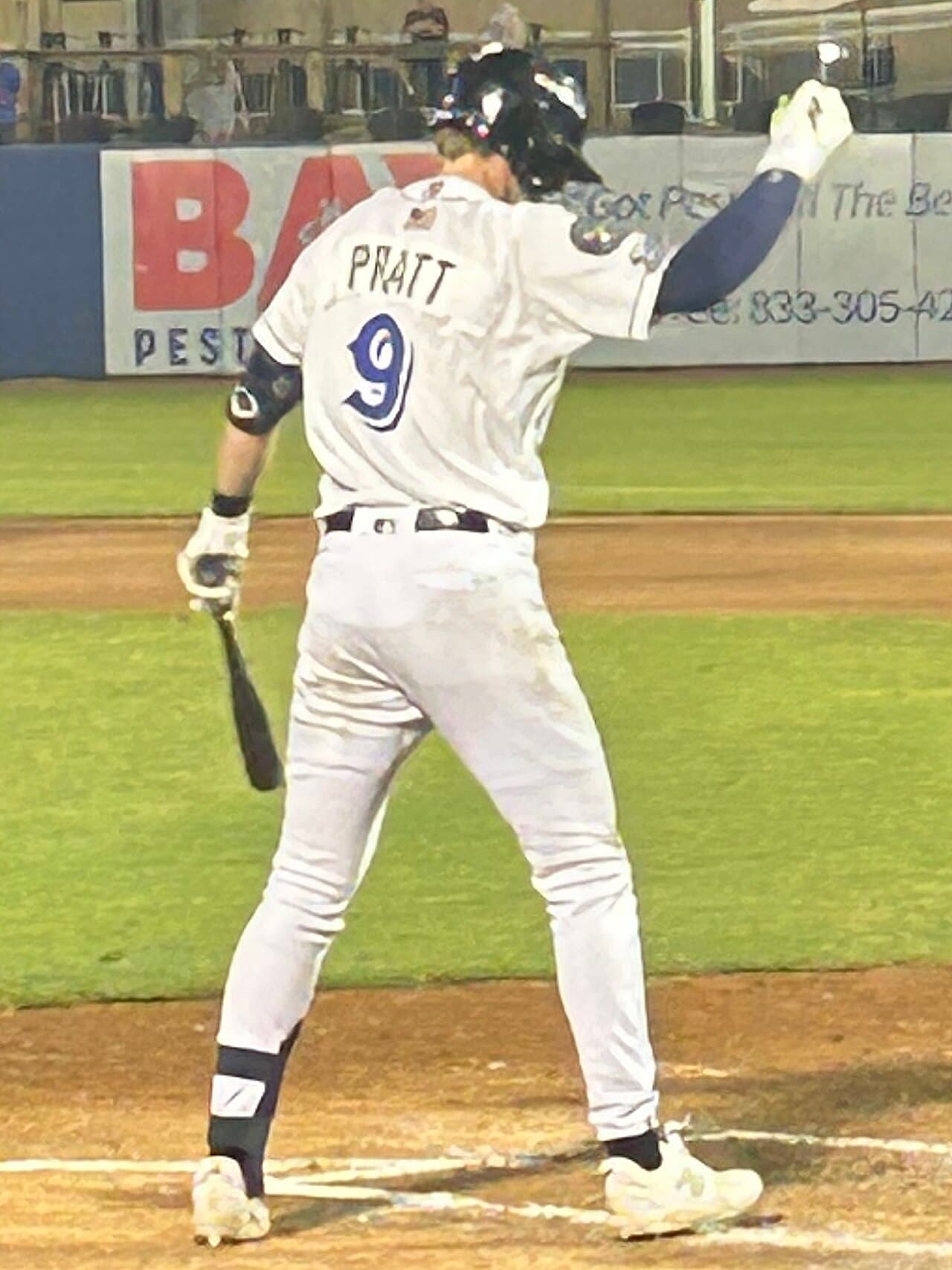
The Milwaukee Brewers are giving one of their best young infielders a look. Milwaukee promoted shortstop Cooper Pratt for his MLB debut on June 16 against Cleveland, bringing a 21-year-old, glove-first prospect to the big leagues earlier than many expected. For dynasty managers, this is a name to add now. For redraft players, it is a more measured pickup that depends entirely on how often he actually plays.
Pratt has long been one of the more intriguing names in the Brewers' system, a premium defender at a premium position with speed that travels. The Brewers clearly believe in the long-term profile: the organization handed him an eight-year contract extension with club options that run into the mid-2030s, a striking commitment for a player with limited Triple-A time. That kind of deal tells you how Milwaukee views the player, even if the bat still has development left.
The profile: glove and legs lead the way
Pratt is a defense-first shortstop. He has been recognized as one of the better gloves in the minors, with a strong arm and the range to stick at short long term. The carrying tool on the offensive side is his speed: he has been an aggressive and efficient base stealer throughout his minor-league career, racking up steals at a high success rate. In a fantasy landscape where stolen bases remain scarce and valuable, that is the skill that gives him standalone appeal even before the bat catches up.
The hit tool is the open question. Pratt was hitting around .241 with an OPS in the .735 range at Triple-A Nashville before the promotion, numbers that suggest the bat may lag behind the glove early. He is not arriving as a finished offensive product, and managers should not expect him to hit the ground running as a middle-of-the-order force.
Fantasy fallout: dynasty add, redraft monitor
The split here is clean. In dynasty and keeper formats, Pratt is a clear add if he is available. He plays a scarce position, he has an organization that just bet on him with a long-term deal, and the speed gives him a fantasy-relevant skill that does not require the bat to fully develop. You are buying the runway.
In redraft and shallower leagues, he is a more speculative add. The Triple-A OPS signals that the offensive production may come in fits and starts, and the playing-time picture is not yet locked. If Pratt plays every day at shortstop and runs, he can be a useful source of steals even with a modest average. If the Brewers ease him in or share the position, the fantasy value thins out quickly. The first week of usage will tell you a lot.
The playing-time question
The single most important variable for Pratt's near-term value is whether he plays daily. Milwaukee has a habit of mixing and matching, and a glove-first rookie hitting .241 in the minors is exactly the type of player who could end up in a part-time or platoon-adjacent role if the bat scuffles. The roster move to clear space for him likely displaces a struggling infielder, which is a mild signal toward regular reps, but it is not a guarantee.
Watch the lineup cards over the next several games. If Pratt is penciled in at shortstop against both right-handers and left-handers, treat the speed as a real category contributor. If he sits against tougher matchups, scale back the expectations to a deep-league flier.
How the Brewers tend to handle young players
Milwaukee's organizational approach is part of the context. The Brewers have a strong track record of developing position players and integrating them at the right time, and they rarely promote a prospect just to sit him on the bench. The decision to call Pratt up, paired with the long-term contract extension, suggests the organization sees him as part of the present and not merely a September look. That is a mild positive for his playing-time outlook, even if the immediate role is not yet fully defined.
At the same time, the Brewers are a competitive team that will not carry an unproductive bat indefinitely. If Pratt's contact struggles follow him to the majors, Milwaukee has the depth and the win-now incentive to scale back his role. That is the tension dynasty managers should hold in mind: the organization believes in him, but the leash on the bat is not unlimited. The speed and the glove buy him time; the hit tool determines whether he holds the job.
The Verdexed model take
Verdexed's projection view on Pratt is built around the gap between his floor and his ceiling. The floor is a slick-fielding shortstop who steals bases and hits at the bottom of the order, which has real value in points and category leagues that reward speed. The ceiling, if the hit tool clicks, is an everyday shortstop with a steals-plus-runs profile that plays in any format. The model treats him as a high-variance add whose value is gated almost entirely by playing time and contact rate rather than power.
The actionable takeaway: in dynasty, add him before he debuts and produces; the contract extension is the tell that Milwaukee sees a long-term piece. In redraft, add him only if your roster needs speed and you can afford to wait out the inevitable rookie adjustment period.
What's next
The debut itself matters less than the week that follows it. The questions to answer: Is Pratt the everyday shortstop, or a part-time piece? Does he run with the green light he showed in the minors? And does the contact improve against major-league pitching? Until those resolve, he is a name to roster speculatively rather than a plug-and-play option.
For a Brewers team that values athleticism and run prevention, Pratt fits the organizational mold cleanly. For fantasy managers, he is a dynasty buy and a redraft maybe, with the speed offering the clearest path to immediate value and the bat representing the swing factor on his ceiling.