Casey Mize Is Pitching Like an Ace in His Contract Year: The Splitter Driving a Real Breakout
By Verdexed Analytics
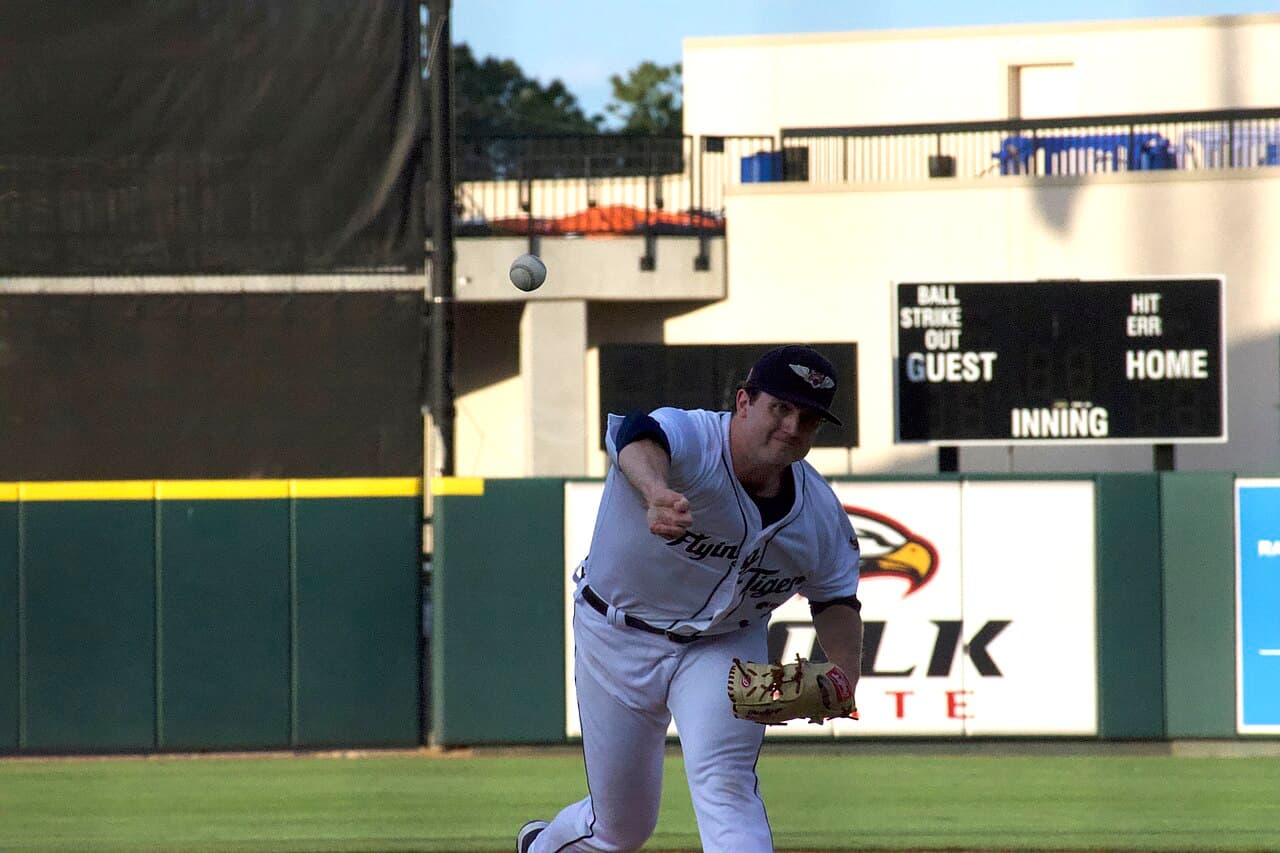
Casey Mize was the first overall pick in the 2018 draft, and for years that label felt more like a weight than a promise. In 2026 he is finally pitching like the arm that justified it. The Tigers right-hander is carrying career-best marks across the board, with an ERA in the low 2.00s and a strikeout rate that has jumped well past anything he has sustained before, and the engine behind it is a retooled splitter that has become one of the best individual pitches in the American League.
For fantasy managers who let Mize sit on waivers after years of injuries and middling results, this is the moment to reassess. The profile underneath the surface numbers suggests this is closer to a real step forward than a hot-streak mirage, and the timing, in a contract year, only sharpens his motivation.
The pitch that changed everything
The splitter is the headline. It has become Mize's second-most-used offering, and hitters simply cannot do anything with it. The whiff rate on the pitch has climbed into the mid-30 percent range, and opponents are batting in the .130s with a slugging percentage barely above that against it. A swing-and-miss splitter that also generates weak contact is a devastating weapon, because it gives a pitcher both a strikeout pitch and a damage-limiter in the same delivery.
What makes the development credible is that it is paired with the rest of his profile trending the right way. His strikeout rate sits in the high-20s percent range, a career best, while his walk rate has stayed roughly in line with his norms and his soft-contact metrics have improved. When swings-and-misses, control, and contact quality all move in the same direction at once, it is far harder to dismiss as variance than a pitcher running a low ERA on the back of a lucky strand rate alone.
Is it sustainable?
The honest answer carries a caveat. Mize has never before maintained a strikeout rate this high for an extended stretch, and the track record of late-blooming former top picks is mixed. Some adjustments stick and some fade once the league adjusts back. The skeptic's case is that the ERA will drift up toward the more pedestrian peripherals he posted earlier in his career.
The optimist's case, and the one the underlying data leans toward, is that the splitter is a genuine new weapon rather than a temporary feel, and that the strikeout gains are a byproduct of a better pitch mix rather than luck. Even if some regression is coming, a pitcher missing this many bats with this kind of command projects to remain a quality fantasy starter rather than a streamer. The realistic landing spot is somewhere between his current pace and his career norms, which still leaves a clearly rosterable arm in all formats.
Fantasy buy or sell?
In redraft leagues, Mize is a buy-and-hold. If a frustrated manager in your league is shopping him on the theory that the ERA cannot last, the strikeout foundation makes him worth acquiring at a discount. He should be started in most matchups, with the usual caution against the toughest road environments.
In dynasty and keeper formats, the calculus is more interesting because of the contract situation. Mize, Tarik Skubal, and other Tigers arms are set to reach free agency at season's end, which means his 2027 home, and his role in it, is genuinely unknown. A move to a new park and a new pitching infrastructure could either amplify or mute the breakout. Dynasty managers should value him as a strong short-term asset whose long-term outlook hinges on where he signs.
The deadline wrinkle
Mize's breakout also makes him a name to watch as the trade deadline approaches. A pending free agent pitching the best baseball of his career is exactly the kind of asset that draws calls, and if Detroit's position in the standings ever wobbled, he would be a logical chip. For fantasy purposes, a trade to a contender would not dramatically change his strikeout outlook but could shift his win equity and his ballpark. It is a low-probability scenario worth filing away rather than acting on today, but it belongs on the radar.
The contract-year motivation
The timing of this breakout is not incidental, and it adds a layer worth weighing. Mize is set to reach free agency at season's end, the first time in his career he stands to cash in on the open market, and players in walk years often pitch with an extra edge of focus and durability management. For a former No. 1 pick whose career has been defined more by injuries and unmet expectations than by production, this is the season that can redefine his earning power and his reputation in one stroke.
For fantasy managers, the contract-year angle is a soft positive rather than a hard input. It does not change his stuff, but it does reduce the risk that the team or the player coasts, and it gives him every incentive to stay on the mound and keep refining the pitch mix that has carried him. A motivated pitcher throwing the best stuff of his life is exactly the kind of profile worth betting on for the rest of the season.
The Verdexed model take
Verdexed's model weights pitch-level swing-and-miss and contact-quality data heavily, and Mize grades out far better by those inputs than his career reputation would suggest. The model sees the splitter's whiff and weak-contact profile as the kind of repeatable skill that supports a meaningful projection upgrade, while still building in partial regression because the strikeout spike is new. The net result is a rest-of-season forecast that comfortably clears streamer territory and lands him among rosterable starters in all but the shallowest leagues.
The actionable takeaway is straightforward: buy Mize where you can, start him in most spots, and watch the splitter usage and whiff rate as your in-season barometer. If those hold, the breakout holds, and the former No. 1 pick has finally turned the label into production at the most lucrative possible time for him and the most useful possible time for the managers who roster him.