Caleb Wilson Is the 2026 Draft's Highest-Variance Top-Five Bet: Dynasty Outlook
By Verdexed NBA Desk
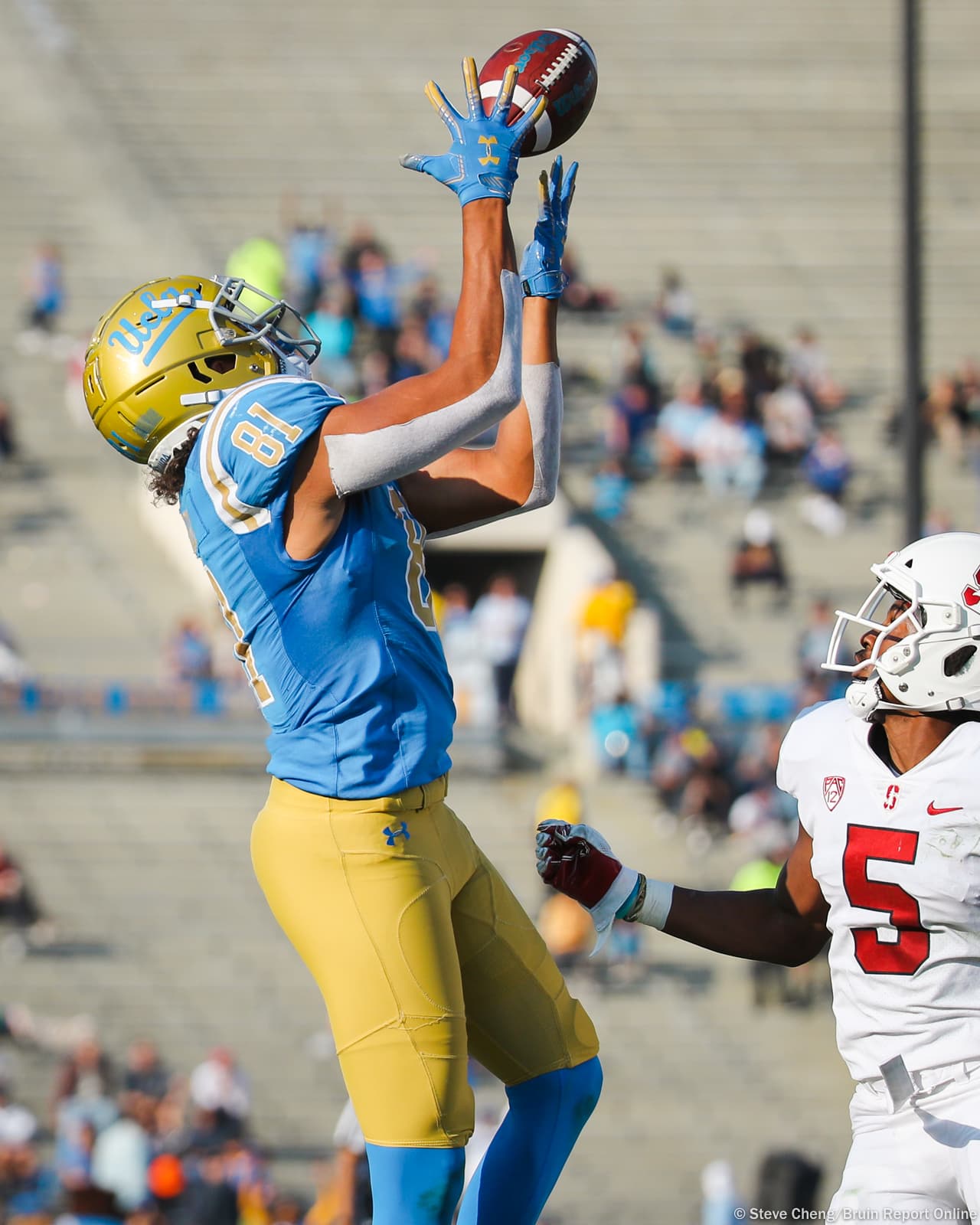
With the 2026 NBA Draft set for June 23-24 at Barclays Center in Brooklyn, North Carolina forward Caleb Wilson has held firm as a projected top-five pick across the major boards, appearing as high as No. 4 in a recent industry mock. That stability is notable because Wilson's freshman season ended early and twice over: a fractured left hand suffered in February, then a broken right thumb in practice that required surgery and ended his year in March. That he remains in the top tier despite missing the final stretch of the college season tells you how much evaluators believe in the tools.
For dynasty fantasy managers and rookie-draft strategists, Wilson is the class's defining boom-or-bust swing inside the top five. The athleticism, defense, and rebounding give him one of the safest floors among the forwards in the class, while a single underdeveloped skill keeps a star-level ceiling within reach but unconfirmed. Pricing that gap correctly is the entire exercise.
The freshman profile
Before the injuries, Wilson posted one of the most productive freshman lines in the class, averaging close to 20 points and roughly nine to ten rebounds per game while adding assists, steals, and blocks on strong overall efficiency. At 6-foot-10 with fluid mobility and vertical pop, he profiled as a two-way forward who could finish above the rim, run the floor in transition, crash the offensive glass, and protect the rim as a help-side shot blocker.
The defensive resume is the backbone of his case. Wilson graded as one of the better defensive prospects in the class, with the size and quickness to switch across multiple positions and the timing to generate steals and blocks. That defensive versatility is what gives evaluators confidence he can contribute early even if his offense takes time to round out, and it is the foundation of his draft-night floor.
The one swing skill
Wilson's jumper is the variable that decides his ceiling. He shot roughly 26 percent from three on low volume in college, a small and inefficient sample that scouts uniformly flag as the primary thing separating him from the very top tier. The mechanics are workable and the foundation looks promising, but his release can come out flat and the consistency is not yet there. At this stage his jumper is a projection rather than a dependable weapon.
The range of comparisons captures the stakes. If Wilson settles in as a play-finishing, post-scoring, lob-catching forward, evaluators see a high-energy modern frontcourt piece. If the handle, on-ball creation, and jumper develop, the comparisons climb toward a versatile two-way forward who can function as a secondary or tertiary scoring option on a good team. The difference between those outcomes is almost entirely the shot.
Dynasty fallout
For dynasty managers, Wilson is the value lever of the early rookie-draft range. A top-five athlete with elite finishing, real defensive impact, and rebounding already provides fantasy-relevant counting stats in points, boards, blocks, and steals, even before any jump shot arrives. That gives him a higher floor than most boom-or-bust prospects, because his strengths translate directly into categories that score.
The ceiling is where the format rewards conviction. Dynasty is the place to pay for upside, and Wilson's upside is a multi-category forward who adds threes and shot creation to an already strong defensive and rebounding base. Managers who believe the jumper develops can draft him ahead of safer, lower-ceiling options and capture the gap. Managers who fade the shot should still value the floor, because the defense and athleticism keep him useful even in the bust case.
The Verdexed model take
Verdexed's prospect model blends college production, role projection, physical tools, and skill-development risk into a distribution of outcomes rather than a single ranking. On that framework Wilson grades as a wide-distribution top-five talent: a sturdy floor built on defense and rebounding, and a star-level tail gated almost entirely by shooting development. The model treats his perimeter jumper as the highest-leverage swing factor in his entire projection, larger than landing spot or role.
The model also rewards the counting-stat categories Wilson already fills. A forward who blocks shots, rebounds at a high rate, and finishes efficiently accumulates fantasy value even on a contender that limits his shot diet, which raises his dynasty floor relative to offense-only prospects who need volume to matter. The edge for managers is recognizing that the safe categories are already there; the speculative bet is only on the shooting, and that bet can be made at a top-five price with real downside protection.
Betting and rookie-draft angle
For rookie-of-the-year and award futures, Wilson's case is opportunity-dependent. His most translatable early skills are defense, rebounding, and finishing, which produce steady but not splashy box scores, so his award odds will hinge heavily on his landing spot and the minutes he is handed. Bettors should treat any early ROY market as a bet on role as much as on talent, and wait for the pick to land before committing.
For dynasty drafters, the actionable takeaway is to rank Wilson by conviction on the jumper, not by consensus. If you believe the shot develops, he is a buy ahead of safer names because his floor already clears the bar and his ceiling is among the highest in the class. If you doubt the shot, he is still a defensible pick on his defense and rebounding alone, which is what makes him the rare boom-or-bust prospect you can draft without praying.
What's next
The draft is just days away, and Wilson's landing spot is the next domino. A team with frontcourt minutes and patience for shooting development is the ideal fit, because his floor skills will play immediately while the jumper gets the reps it needs. Watch where he lands on June 23, then weight his dynasty value to the role he is handed. The tools make him a top-five talent; the shot decides whether he becomes a star or a high-floor role player, and that question is the one managers are really drafting.