Cal Raleigh's Right-Side Discomfort Returns: The Fantasy Catcher Contingency Plan
By Verdexed MLB Desk
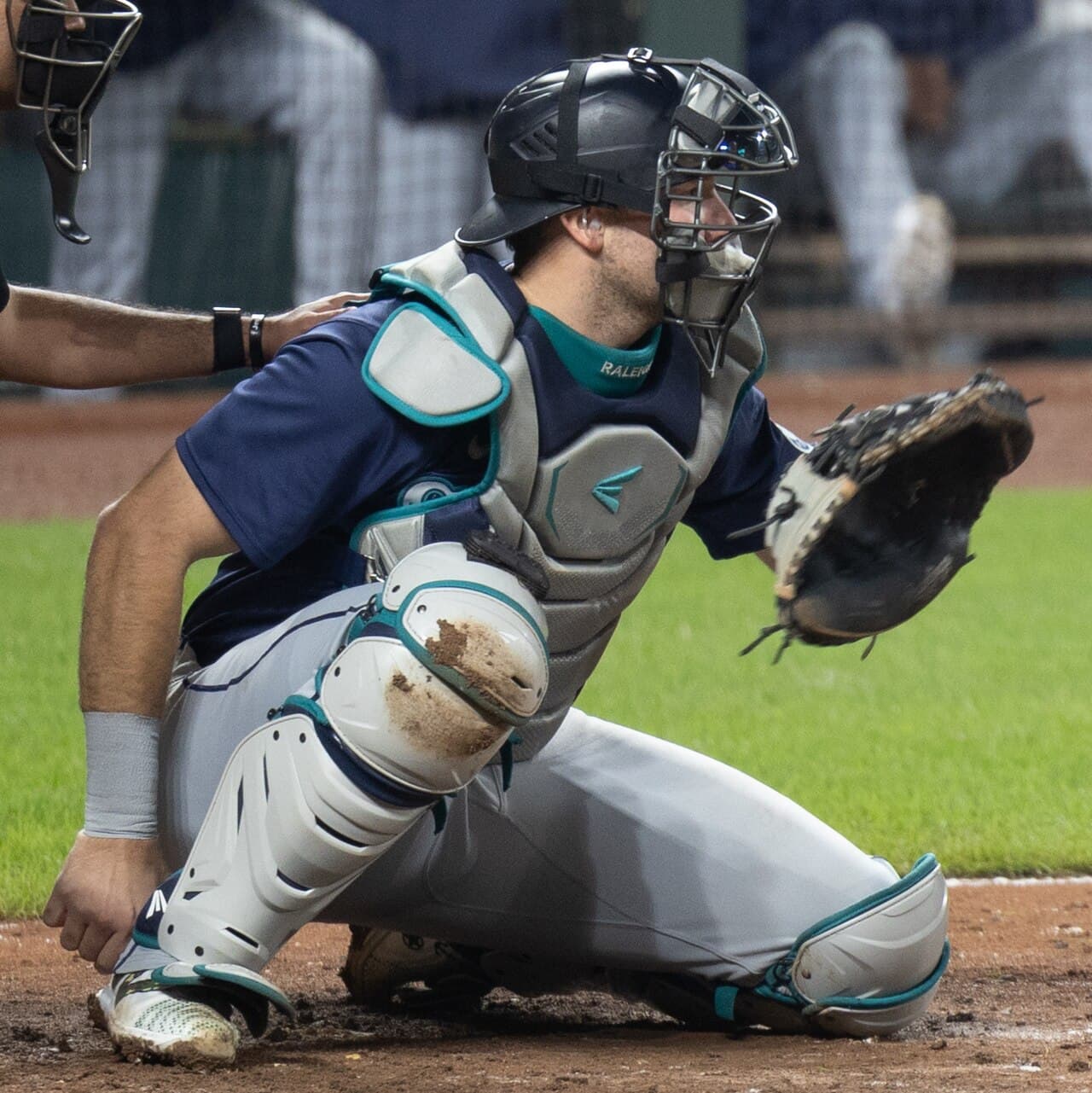
One of fantasy baseball's most valuable catchers just gave his managers a scare. Seattle Mariners backstop Cal Raleigh, who had only recently returned from the injured list following a right oblique strain, exited a game against the Houston Astros after right-side discomfort returned. He was removed for a defensive replacement late in the game, and the Mariners described the move as precautionary while they assessed his status.
For a player who anchors the catcher position in nearly every format, even a precautionary exit is a meaningful event. The recurrence so soon after activation is the part that demands attention, because it raises the question every fantasy manager hates: is this a one-day flare-up, or the early sign of a return trip to the IL?
The timeline so far
The sequence is straightforward and worth getting exactly right. Raleigh missed time earlier with a strained right oblique, the first IL stint of his career, then was activated in mid-June to rejoin the lineup. Within days of returning, he grabbed at his right side during a game against the Astros and was pulled for precautionary reasons. As of the latest reporting, the Mariners said they would evaluate him before deciding on next steps, which means his status sits in the day-to-day range rather than a confirmed second IL placement.
That distinction is the whole story for fantasy purposes. Day-to-day means you may only lose a handful of games and can hold without panic. A second IL stint, particularly for a recurring oblique issue, would mean a minimum absence and a real hole at the most replacement-scarce position on the board.
Why oblique recurrences are tricky
Oblique injuries are notorious for lingering and for recurring, especially in players who generate as much rotational force as a switch-hitting power catcher. The muscle is central to the swing, and the temptation to return at the first sign of feeling healthy often runs ahead of full recovery. A recurrence within days of activation is consistent with that pattern, and it is the reason the smart read here is caution rather than assuming a quick all-clear.
Verdexed is treating this as a genuine recurrence-risk situation rather than a clean scare. The fact that Raleigh was pulled defensively, and that the team framed it as precautionary, suggests the Mariners are prioritizing avoiding a bigger setback. That is the responsible organizational move, and it is also the version of events most likely to cost a few extra games of rest even if a second IL trip is avoided.
Fantasy fallout
Raleigh's value at catcher is enormous because the position is so thin. His combination of power and the dual eligibility he can carry in some formats makes him a tier unto himself, and losing him for any stretch is a category hit that a streaming catcher cannot replace. That scarcity is exactly why managers should not overreact and drop him, but should prepare a contingency.
The practical plan has two parts. First, if you have a bench or IL slot, secure a fallback catcher now, before the rest of your league reacts to the same news. The waiver wire empties of usable catchers fast when a star goes down, so the manager who moves first gets the best of a bad set of options. Second, if Raleigh is held out for even a couple of games, resist the urge to bench-stash a body you will never start; instead target a catcher with a clear everyday role and a friendly upcoming schedule, because at this position playing time beats upside.
For managers in two-catcher leagues, the urgency is doubled. The bottom of the catcher pool in those formats is barely rosterable, so any short-term Raleigh absence creates an immediate scramble. Holding a second viable catcher through this stretch is worth the bench spot.
There is also a roster-construction angle for managers whose teams lean on Raleigh for power. Because his bat carries categories that are scarce at catcher, a multi-game absence does not just cost batting average; it can quietly drain home runs and RBI at a position where almost no replacement supplies them. That is why the fallback target should prioritize a backstop with genuine pop and a fixed lineup spot rather than a high-average slap hitter who happens to be available. In a thin position, power plus playing time is the combination that actually protects your standings.
The Verdexed model take
Verdexed's projections weight playing time heavily for catchers precisely because the position offers so little replacement value. The model does not need Raleigh to be hurt long to dock his rest-of-season counting stats; a few missed games plus the elevated chance of a second IL trip is enough to nudge his projected totals down while keeping his per-game value at the top of the position. The output supports holding him in all formats and pre-positioning a fallback rather than cutting bait.
The betting angle is narrow but real. Mariners team totals and run-line markets should account for the difference between Raleigh in the lineup and Raleigh on the bench, because the drop from his bat to a backup catcher is steep. Bettors handicapping Seattle in the coming days should confirm his status before locking in a number, since a late scratch or a quiet IL move would meaningfully soften the lineup.
What's next
The key is the team's evaluation and whether it ends in a day-to-day designation or a second IL placement. Do not overstate the injury until the Mariners confirm a course; the current reporting points to caution rather than a defined long absence. The actionable takeaway: hold Raleigh everywhere, but use the uncertainty as your cue to grab a fallback catcher with a guaranteed everyday role right now, so a short absence does not turn into a category your roster cannot cover.