Cal Raleigh Starts His Rehab Assignment: The Mariners Slugger Is a Mid-June Buy-Low
By Verdexed MLB Desk
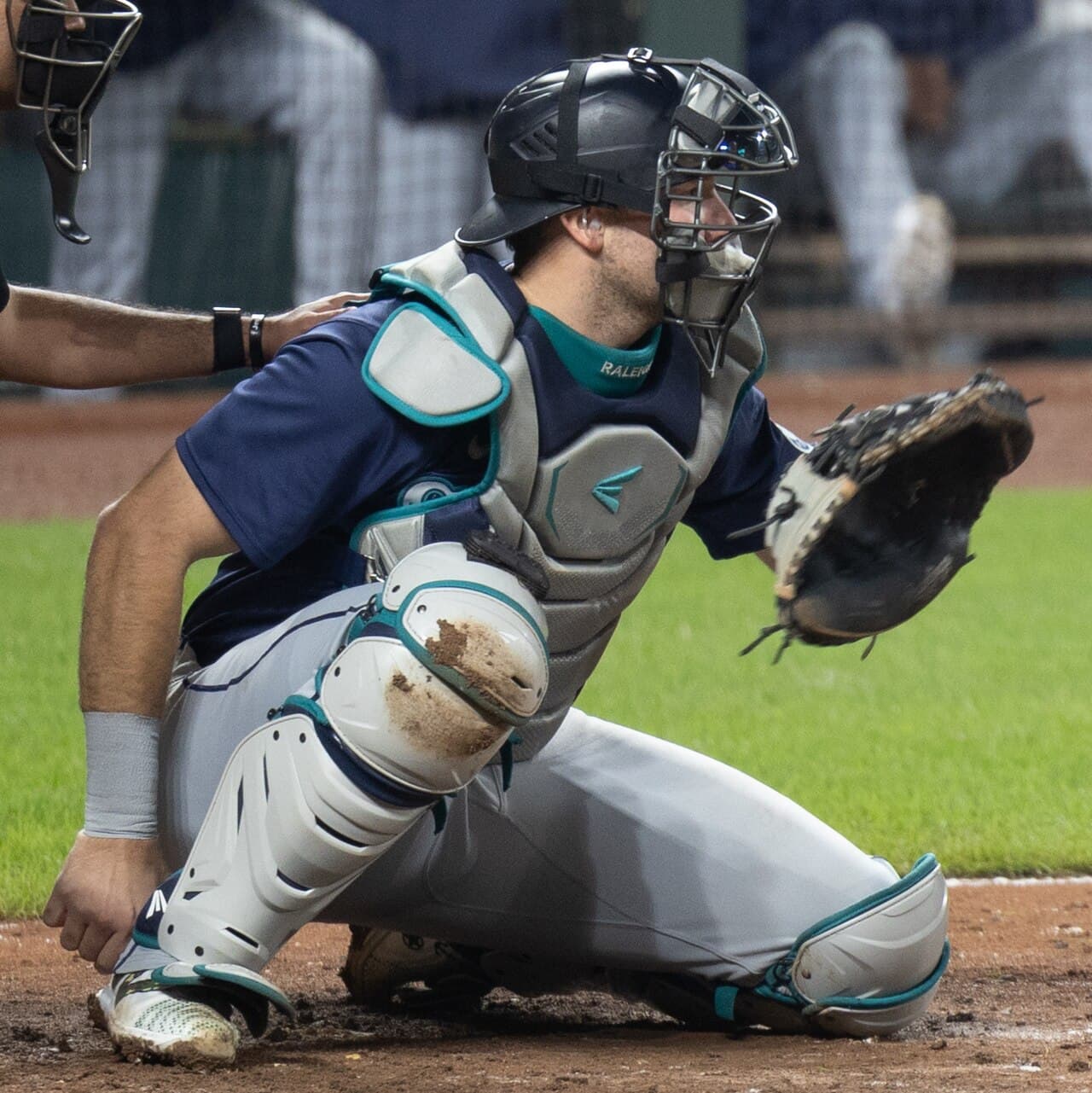
Cal Raleigh began a minor league rehab assignment on Sunday, June 7, the clearest sign yet that the Seattle Mariners catcher is closing in on a return from the right oblique strain that has sidelined him since May 14. Raleigh opened his rehab with High-A Everett as a designated hitter and is slated to move up to Triple-A Tacoma early in the week before the club decides whether he is ready to be activated. The likely target is Seattle's homestand beginning June 16.
For fantasy managers, this is a buy-low window that may not stay open long. Raleigh is one of the most valuable players in the sport when healthy, and an injured-list stint paired with a slow start has dented his perceived value at exactly the moment his production is about to come back online.
The injury and the timeline
Raleigh has been out since mid-May with the oblique strain, his first career stint on the injured list. Oblique injuries are notorious for slow rehabs because they affect the rotational power that hitters rely on, which is why the team is being deliberate. The plan calls for him to start as a designated hitter, then ramp up his catching workload, the standard progression for a backstop returning from a core injury.
The Tacoma assignment is the key checkpoint. Seattle wants to see him catch and swing without restriction before activating him, and if the rehab games go smoothly, the June 16 homestand is the realistic target. As with any oblique, a setback would push that back, so the timeline is a best case rather than a guarantee.
The slow start changes the calculus
Here is where it gets interesting for fantasy purposes. Before the injury, Raleigh was scuffling badly, hitting around .151 with an OPS in the .560 range and just seven home runs across 41 games. That is a far cry from the player who finished as the American League MVP runner-up in 2025 on the back of a 60-homer campaign, one of the great power seasons in recent memory.
The combination of a brutal start and an injury has soured some managers on him, and that is the opportunity. A catcher with 60-homer upside who is being valued like a replacement-level bat is a clear arbitrage. The underlying power has not vanished over a few cold weeks, and the position scarcity at catcher only amplifies his value once the bat heats up.
Fantasy fallout
Raleigh is a buy-low target in every format. In leagues where a frustrated manager is willing to move on after the slow start and the IL stint, he is the kind of player you acquire for cents on the dollar and reap the rewards in the second half. The catcher position is shallow enough that owning an elite bat there is a structural advantage, and Raleigh is the rare backstop who hits for genuine middle-of-the-order power.
Managers who already roster him should hold through the rehab and resist the urge to sell at a discount. The expected return is too high relative to the few weeks of cold production that preceded the injury. If anything, the dip is a chance to buy more exposure, not to cut bait.
The one caveat is the catcher workload. A player returning from an oblique who also squats behind the plate carries some re-injury and rest risk, so managers in deep leagues should have a backup plan for days he is out of the lineup. That risk is priced in and does not change the buy-low thesis.
The Verdexed model take
Verdexed's hitter model treats short cold stretches as noise when the underlying skills and track record point in the opposite direction. Raleigh's expected output, built on his power profile and recent production history, sits far above his 2026 surface stats, which means the model flags him as significantly undervalued relative to where his name is trading in fantasy markets.
The model's projection for the rest of the season has Raleigh as a top-tier fantasy catcher and a middle-of-the-order power source, with the slow start functioning as a small drag rather than a signal of decline. The edge is clear: acquire the production before it shows up in the box score, because once the home runs return, the buy-low window slams shut and the acquisition cost resets to elite levels.
What to do in your league
Make the offer now. Target Raleigh while the slow start and the IL stint are still fresh in his manager's mind, and frame the deal around his recent struggles rather than his ceiling. The return on a healthy, productive catcher with elite power is worth a modest overpay relative to his depressed current value.
If you roster him, stash and hold. The rehab assignment is the green light, and selling at the bottom of his value would be a mistake. Plan for occasional rest days once he returns and behind-the-plate workload ramps up, but treat him as a lineup anchor the rest of the way.
What's next
The Tacoma rehab games are the tell. Watch for clean swings, no oblique discomfort, and a return to catching duties, all of which point toward the June 16 activation target. Once he is back in the Seattle lineup, the production should follow quickly, and the managers who moved early will have bought one of the best catchers in baseball at a discount.