Bryce Eldridge Reaches the Majors, but Devers Caps His Fantasy Ceiling
By Verdexed MLB Desk
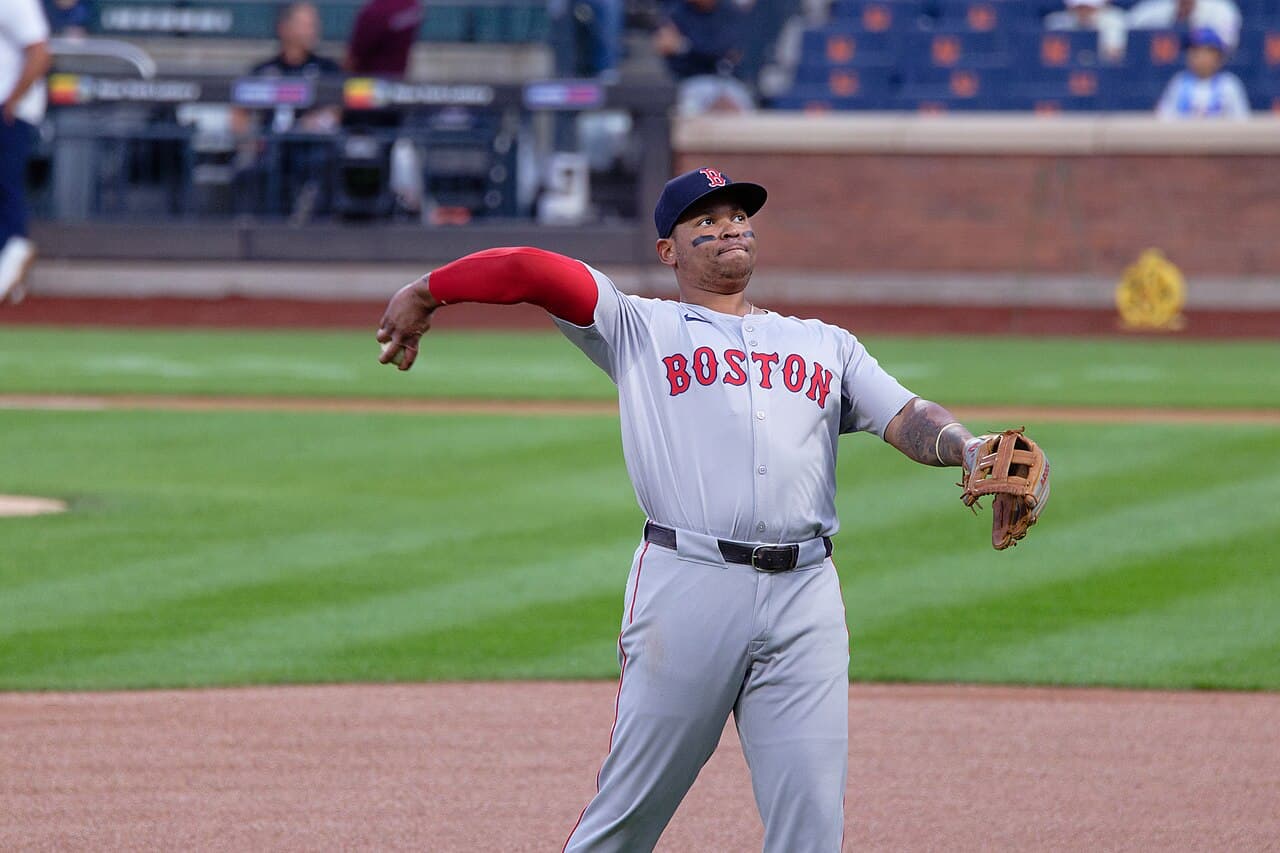
Bryce Eldridge, the centerpiece of the San Francisco Giants' farm system, is finally in the major leagues. He went straight into the lineup in his 2026 debut, a 3-2 win over the San Diego Padres, and he arrived having earned it: Eldridge hit .333 with five home runs, 22 RBI and 25 runs over 30 games and 114 at-bats at Triple-A Sacramento before the call. The bat is ready. For fantasy managers, the harder question is where he plays, and how often.
The call-up
Eldridge has been one of the more talked-about power prospects in the minors, and the Triple-A line that preceded his promotion was loud enough to force the issue. A left-handed hitter with genuine over-the-fence power, he is the kind of bat that can change a fantasy lineup's home-run and RBI profile in a hurry if he plays every day. The Giants slotted him in immediately, which tells you they want to see what they have.
Why the role is the catch
The complication is named Rafael Devers. After Buster Posey's front office traded for Devers, San Francisco installed him as the everyday first baseman, even though Devers had spent his career at third base. That move squeezed Eldridge's most natural position. The result is that Eldridge debuted as the designated hitter rather than locking down first base, and he projects to bounce between DH and first to find at-bats rather than owning a single spot.
That matters because playing-time certainty is the difference between a roster-anchoring add and a speculative stash. A rookie sharing DH reps is one cold week away from a platoon or a trip back to Triple-A, even with the pedigree.
Fantasy fallout
**In shallow leagues**, Eldridge is a watch-list name until the Giants commit to everyday at-bats. The talent justifies a speculative add, but do not drop a producing regular for a player whose lineup card is not guaranteed.
**In deeper and dynasty formats**, he is a clear add and a long-term hold. The power is real, the opportunity exists, and prospects of this profile tend to force their way into more playing time when they hit. Dynasty managers should already roster him.
**The shape of the bet** is a high ceiling with a playing-time floor. If Devers shifts off first base or Eldridge simply out-hits the ambiguity, his value spikes quickly.
The Verdexed take
Our projection systems treat role certainty as a first-class input, because a great hitter who starts four times a week is a worse fantasy asset than a good hitter who starts seven. Until the Giants signal an everyday role, our model views Eldridge as a matchup-dependent piece rather than a set-and-forget bat: strong against right-handed starters, in good hitting environments, and on days he is in the lineup, but discounted for the games he sits.
The upside case is straightforward. The moment the at-bats stabilize, the power plays up and the projection climbs into clear mixed-league relevance.
What's next
Watch the lineup cards over the next two weeks. The tells to track: how often Eldridge starts against left-handed pitching, whether the Giants ever write him in at first base, and how the team manages Devers' position. If the at-bats consolidate, Eldridge moves from speculative stash to weekly starter in a hurry. Until then, treat the bat as the asset and the role as the risk.