Austin Reaves Sets Up a Max-Money Showdown With the Lakers: The Offseason's Pivotal Free Agent
By Verdexed NBA Desk
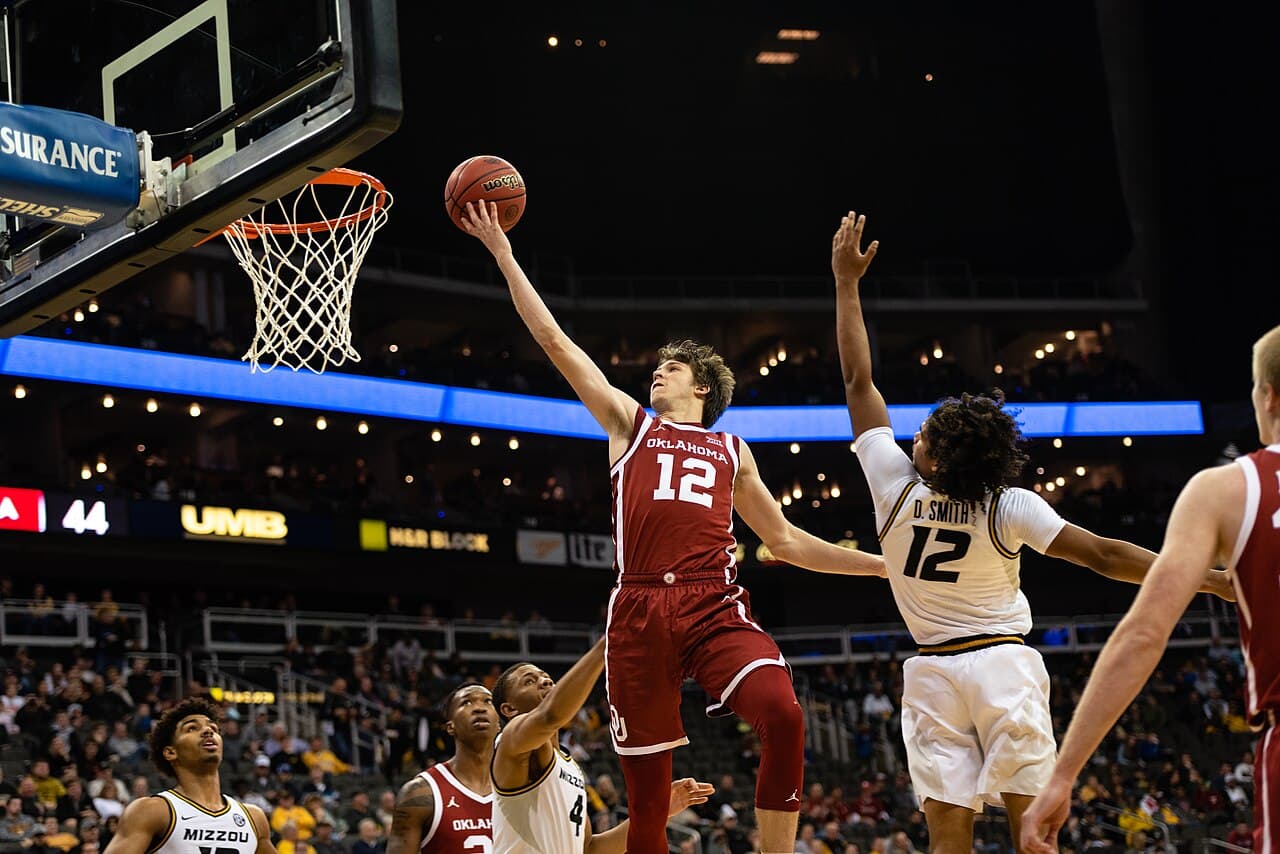
Austin Reaves has emerged as one of the most consequential names of the NBA offseason, with reporting indicating the guard is prepared to ask the Los Angeles Lakers for a maximum contract. Reaves holds an opt-in decision with a late-June deadline, and how Los Angeles handles his free agency will shape both the franchise's cap flexibility and the broader market for a tier of guards watching to see what he commands. This is the kind of decision that ripples across the league.
The leverage dynamics are what make it fascinating. Reaves has grown from an undrafted overachiever into a featured offensive piece, and a player on that trajectory entering free agency with a max ask forces a hard organizational choice. Pay up and commit long-term money to a rising guard, or risk losing a homegrown contributor for nothing. For a Lakers franchise navigating its competitive window, the answer carries real consequences.
Why this is the pivotal domino
Free-agency markets move in tiers, and the top names set the price for everyone beneath them. Reaves seeking a max is the kind of headline that recalibrates expectations for the guards in his cohort, because his number becomes a reference point in every negotiation that follows. Teams with cap space and guards to re-sign are watching, since the Reaves outcome helps define what a productive, ascending backcourt scorer is worth in this market.
The opt-in deadline adds urgency. With a decision required by late June, Reaves cannot let his situation drift into July, which compresses the timeline and forces the Lakers to clarify their position quickly. That tight window is why his name sits atop the offseason board: it is one of the first major dominoes that has to fall, and its resolution unlocks the moves that depend on it.
The competitive stakes for the Lakers
For Los Angeles, the Reaves question is inseparable from the team's larger roster math. The Lakers have other high-profile situations to manage, and committing max money to one guard affects the flexibility available to address the rest of the roster. The front office must weigh Reaves' value as a known, ascending contributor against the cost of locking in that money at the expense of pursuing other upgrades.
The alternative, letting a productive young guard walk, is the outcome franchises rarely accept without a fight, because replacing that production on the open market is expensive and uncertain. The most likely path is a negotiation that lands somewhere between a true max and the team's preferred number, but the public framing of a max ask signals Reaves intends to be paid like a core piece. How Los Angeles responds tells the league how it values its own window.
The fantasy and dynasty angle
For fantasy basketball managers, particularly in dynasty and keeper formats, Reaves' situation is worth tracking because role and opportunity drive value more than any single contract figure. If Reaves remains in Los Angeles with a commitment that affirms his place as a featured option, his usage and counting stats hold steady or climb. If a surprise develops and he changes teams, the new situation, the pace, the surrounding talent, and the available shot volume, would reset his outlook.
The broader read for fantasy purposes is that a player being paid like a core piece tends to be used like one. A max or near-max commitment is a franchise signaling that it will build around a player, and that organizational investment usually translates to the steady, high-usage role that fantasy managers prize. Dynasty managers holding Reaves should view a long-term Lakers deal as a stability win.
The Verdexed model take
The Verdexed model approaches free agency through the lens of role continuity. A player's projection is most stable when his team, usage, and supporting cast hold constant, and a Reaves re-signing in Los Angeles would preserve all three, keeping his outlook steady as a featured backcourt scorer. The model treats the max-ask reporting as a leverage signal rather than a settled number, and it waits for the actual contract and destination before adjusting his forecast.
The more interesting modeling question is the team-level impact. Committing significant long-term money to Reaves shapes the Lakers' ability to improve elsewhere, which feeds into the franchise's projected ceiling. The model reads the decision as a fork: a path that prioritizes continuity and a known contributor, versus a path that preserves flexibility at the risk of losing him. Either way, the resolution removes a major uncertainty from the Lakers' outlook, and the market for comparable guards will price off the result.
What's next
The late-June deadline makes this a story with a clock. Watch whether Reaves opts in and negotiates an extension, whether the Lakers meet a max or near-max number, and whether the resolution frees or constrains the team's other offseason ambitions. For dynasty managers, the key is role: a long-term Lakers commitment locks in Reaves' featured usage, while any unexpected move would force a reassessment.
As the offseason's pivotal domino, the Reaves decision matters beyond Los Angeles. Its outcome sets the reference price for a tier of free-agent guards and clears the way for the moves waiting behind it. For bettors eyeing the Lakers' season-long futures, the Reaves resolution is a data point worth waiting on. A team that retains a rising guard and still has room to upgrade projects differently than one that empties its flexibility on a single contract or loses a core contributor for nothing. The market will adjust the Lakers' win total and title odds as the decision clarifies how much firepower the roster carries into the season.
The franchise that turned an undrafted guard into a featured scorer now has to decide what that story is worth, and the rest of the league is watching the number.