Alejandro Kirk Targets a Friday Return: A Buy-Low Catcher for the Fantasy Stretch
By Verdexed MLB Desk
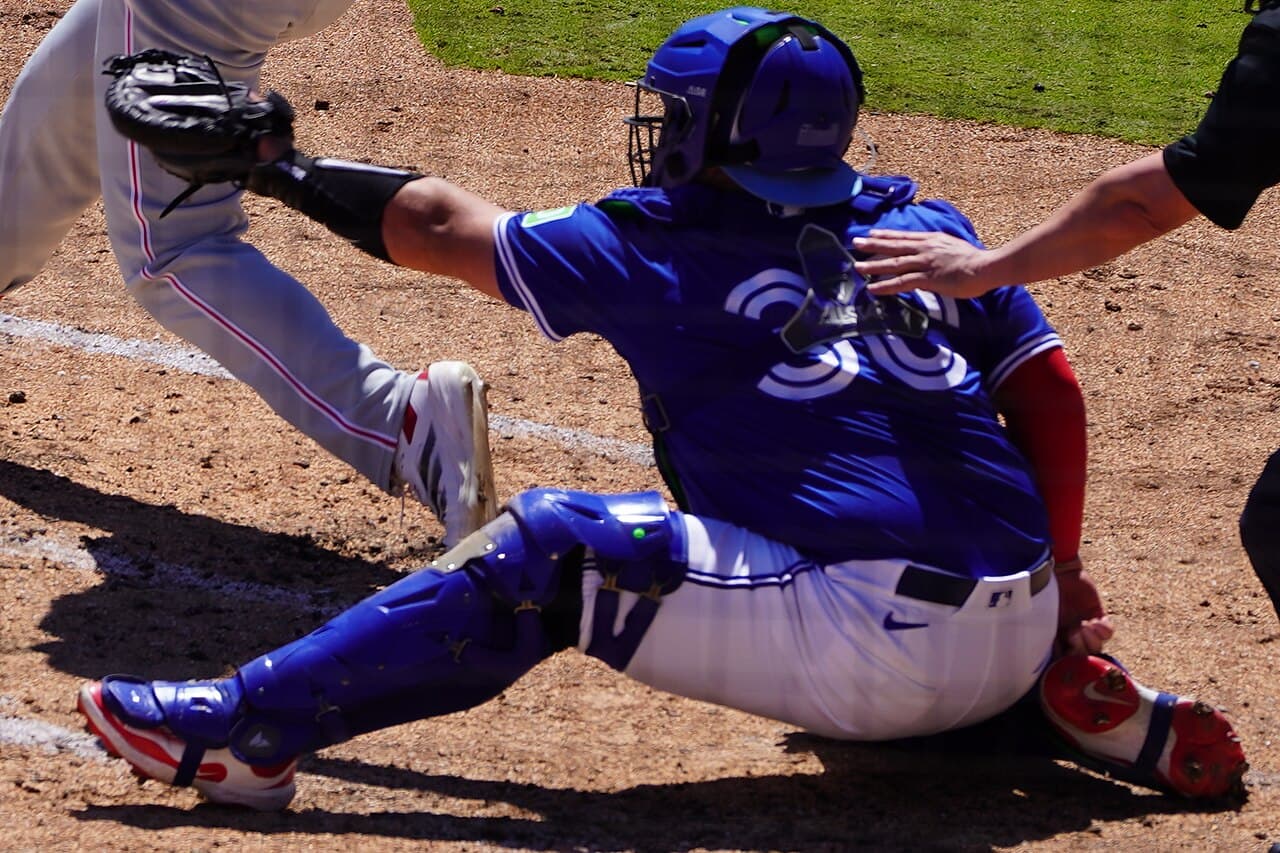
Alejandro Kirk is nearing the end of a long road back, and the Toronto Blue Jays are targeting Friday's series opener against the Yankees as a potential activation date for their catcher. Kirk has not played in a major-league game since fracturing and dislocating his left thumb in early April, an injury that required surgery and a screw, and his return would restore one of baseball's steadiest contact bats to a lineup that has missed it. For fantasy managers scraping the bottom of a thin catcher pool, the timing could not be better.
Kirk is finishing his rehab work this week, serving as the designated hitter at Triple-A Buffalo before getting back behind the plate later in the assignment. The early signs have been encouraging, including an opposite-field home run during a lower-level tune-up, which suggests the thumb is holding up to the demands of swinging. Manager John Schneider has signaled the team will bring Kirk along gradually rather than dump a full workload on him immediately, a sensible plan that managers should factor into their expectations for the first week or two.
Why Kirk matters in fantasy
Catcher is the position where replacement level is misery, and Kirk is a genuine cut above the streaming sludge most managers cycle through. His calling card is elite bat-to-ball skill: he rarely strikes out, he controls the zone, and he hits the ball hard enough to post a useful average with double-digit home-run upside across a full slate. In a one-catcher league, that profile is a clear starter. In a two-catcher league, he is close to essential.
The batting-average contribution is the underrated part. Most catchers drag a roster's average down, which means a backstop who hits for a respectable mark provides value at two positions at once: he helps the average category and he fills a slot that usually bleeds it. That is why Kirk's return is worth more than his raw counting stats might suggest on a spreadsheet.
Managing the ramp-up
The one caution is the gradual reintroduction. A catcher coming off thumb surgery is not going to catch every day right away, and Schneider's stated plan to ease him in means Kirk's playing time will build rather than spike. For the first turn through the schedule, expect some DH days, some days off, and a workload that climbs as the thumb proves it can handle the grind of receiving and throwing.
For fantasy managers, that argues for activating Kirk but tempering week-one projections. He is a hold-and-start in formats where catcher is a wasteland, but he is not yet a set-and-forget every-game option until Toronto signals he is back to a normal catching schedule. The thumb is the variable to watch: any soreness that lingers when he resumes catching could slow the ramp.
The Blue Jays context
Kirk's return also tidies up Toronto's roster. The Blue Jays have been navigating their catching situation in his absence, and his activation likely forces a corresponding move, since carrying three catchers is rarely an efficient use of a roster spot. That housekeeping is mostly a real-baseball concern, but it confirms Kirk is expected to slot back in as a primary option rather than a part-time piece, which is the outcome fantasy managers want.
The lineup benefits, too. A contact-oriented catcher who works counts and rarely gives away at-bats lengthens an order and creates more traffic for the bats behind him. That is the kind of subtle lineup upgrade that nudges run-scoring projections up a tick, which matters for anyone rostering Toronto hitters or betting Blue Jays team totals.
The Verdexed model take
The Verdexed model views Kirk's return as a clear positive adjustment at a position where the baseline is brutally low. His projected rest-of-season value is driven by the average and on-base contribution more than by power, and the model rewards that profile heavily in formats that count average, because the scarcity of catchers who do not tank the category is real. The one discount the model applies is a playing-time haircut for the ramp-up window, which fades as Toronto returns him to a full catching load.
On the team side, restoring a high-contact bat to the middle-to-lower third of the order is a small but real boost to Toronto's run-scoring profile. It will not swing a team total on its own, but combined with a healthier lineup it supports a slightly more optimistic read on Blue Jays offense in the second half. Bettors should note the upgrade without overreacting to a single returning catcher.
What to do in your league
If Kirk is available on your waiver wire, this is the week to add him in any one-catcher league and a clear priority in two-catcher formats. Activate him for Friday with the understanding that his first week may include scheduled rest, and treat that as a feature rather than a bug: a fresh, healthy Kirk down the stretch is worth a short ramp.
For managers already rostering a shaky catcher, Kirk is the upgrade to chase. One last note on timing: the cheapest moment to acquire a returning player is always before he proves he is back. A manager who waits for Kirk to string together a week of hits will pay full price, while the manager who adds him on the strength of the rehab reports gets him at a discount. The position rarely offers this kind of average-and-contact security on the wire, and the managers who pounce before he proves he is fully back will have locked in an edge at the spot where edges are hardest to find.