AJ Dybantsa Goes No. 1 to the Wizards: The Rookie Fantasy Outlook in a Crowded DC Core
By Verdexed NBA Desk
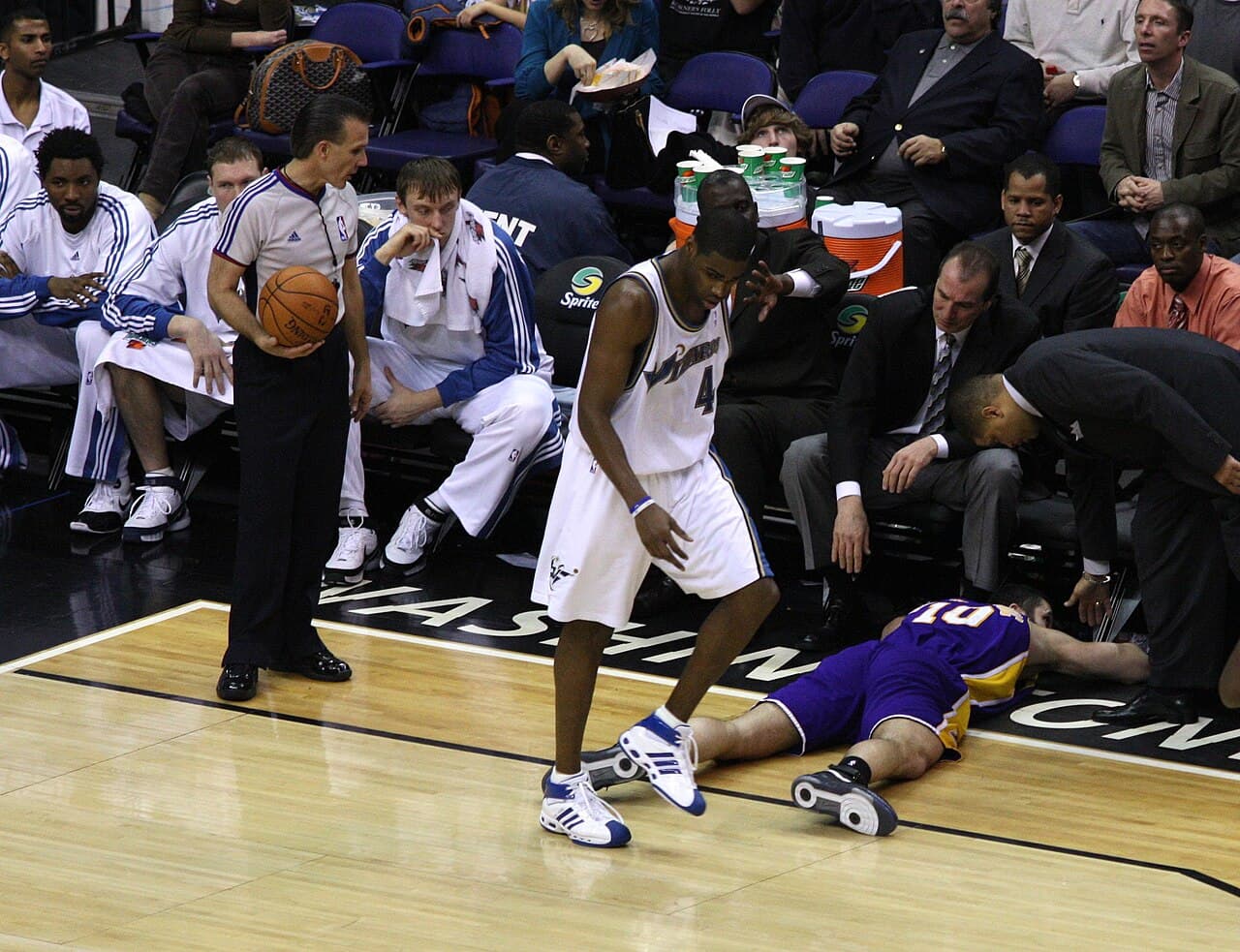
The Washington Wizards made AJ Dybantsa the face of their rebuild, selecting the BYU freshman wing with the No. 1 overall pick in the 2026 NBA Draft over Kansas guard Darryn Peterson. For dynasty managers and rookie-draft strategists, the landing spot is the story: Dybantsa joins a franchise hungry to develop a young centerpiece but one that has also assembled veterans who will compete for the same touches early.
The one-line read: Dybantsa is a premium long-term dynasty asset whose rookie-year fantasy value depends entirely on how quickly Washington funnels usage to him with Trae Young and Anthony Davis already in place. The talent justifies the top pick. The timeline is the open question.
The prospect
Dybantsa is a 6-foot-9 wing who turned 19 around draft night and produced immediately at BYU, averaging 25.5 points, 6.8 rebounds and 3.7 assists across 35 starts in his lone college season. That scoring-forward profile at his size is exactly what NBA teams covet in a franchise wing, and it made him the first BYU player ever taken No. 1 overall. He joins John Wall and Kwame Brown as the only top picks in Wizards history.
The production translates to fantasy interest because Dybantsa scores in volume and contributes across multiple categories. A wing who can fill it up, rebound at a useful clip and create for others is the kind of multi-category producer that fantasy formats reward, provided the opportunity is there.
The crowded core
The complication is the roster around him. Washington traded for Trae Young to be its lead initiator and acquired Anthony Davis to anchor the frontcourt, building a veteran spine the front office believes can lift the team toward playoff contention. That is good for the franchise but creates a touch-distribution puzzle for a rookie wing who scored at will in college.
Young is a high-usage point guard who commands the ball, and Davis demands frontcourt touches and rebounds. Dybantsa profiles as the long-term centerpiece, but in Year 1 he may operate as a complementary scorer rather than a featured one, with his usage ramping as the season progresses and the veterans potentially yield to the rebuild's timeline. Fantasy managers should temper immediate expectations accordingly.
Fantasy fallout: dynasty buy, redraft patience
In dynasty and keeper formats, Dybantsa is a clear top target in rookie drafts. The blend of size, scoring and franchise investment makes him the kind of asset worth a premium pick, and his long-term ceiling is among the highest in the class. The presence of Young and Davis does not change the multi-year outlook, since both are short-term considerations relative to a 19-year-old's development arc.
In redraft and single-season formats, the read is patience. Rookies rarely deliver consistent fantasy value out of the gate even in clean situations, and Dybantsa's path runs through a crowded usage hierarchy. He is a late-round flier with upside as the season unfolds rather than a player to reach for on draft day. The breakout, if it comes, is more likely in the second half.
The Verdexed model take
The model separates talent from opportunity, and for rookies the opportunity side dominates the first-year projection. It rates Dybantsa's long-term ceiling near the top of the class but applies a significant rookie-usage discount given the presence of two established veterans who command touches. The result is a modest Year 1 projection with a wide upside band that widens further if Washington accelerates his role.
The key variable the model tracks is usage trend over team success. If the Wizards lean into the rebuild and shift the offense toward their young wing as the season goes on, his projection climbs steadily. If Young and Davis keep the team competitive and the usage hierarchy holds, the rookie payoff slides to next season. Dynasty managers should care about the ceiling; redraft managers should watch the usage signal.
The Rookie of the Year angle
For bettors, Dybantsa's situation cuts both ways on the Rookie of the Year market. The talent and the No. 1 pedigree make him a natural favorite in early odds, but the crowded Washington hierarchy is a real headwind, because the award tends to reward volume scorers with green lights rather than rookies deferring to established veterans. A wing sharing the floor with a ball-dominant point guard and a high-usage big may not post the counting stats that voters reward, at least early.
The value play, if his price is bid up on name recognition, may be to fade the chalk and look toward rookies in cleaner usage situations. Conversely, if Washington signals a rebuild that funnels touches to its young wing as the season unfolds, a second-half surge could make a longer-odds preseason ticket look smart. The key variable is the same one that drives his fantasy outlook: how quickly the Wizards hand him the keys.
What it means
For dynasty managers, Dybantsa is a cornerstone target whose landing spot does nothing to diminish his long-term value. For redraft managers, he is a patience play whose rookie production hinges on a usage timeline that Young and Davis will dictate. Draft him for the ceiling in keeper formats, monitor his role before committing a roster spot in single-season leagues, and recognize that the Wizards just added the player they intend to build the next decade around. The franchise has every incentive to develop him into a featured scorer, so the most likely arc is one of steadily rising usage. The only question for fantasy purposes is whether that ramp happens this season or next, and that answer will reveal itself in the rotation patterns Washington establishes once the games begin.