Aaron Judge Out of the Lineup, Day-to-Day With a Rib-Cage Bone Bruise
By Verdexed MLB Desk
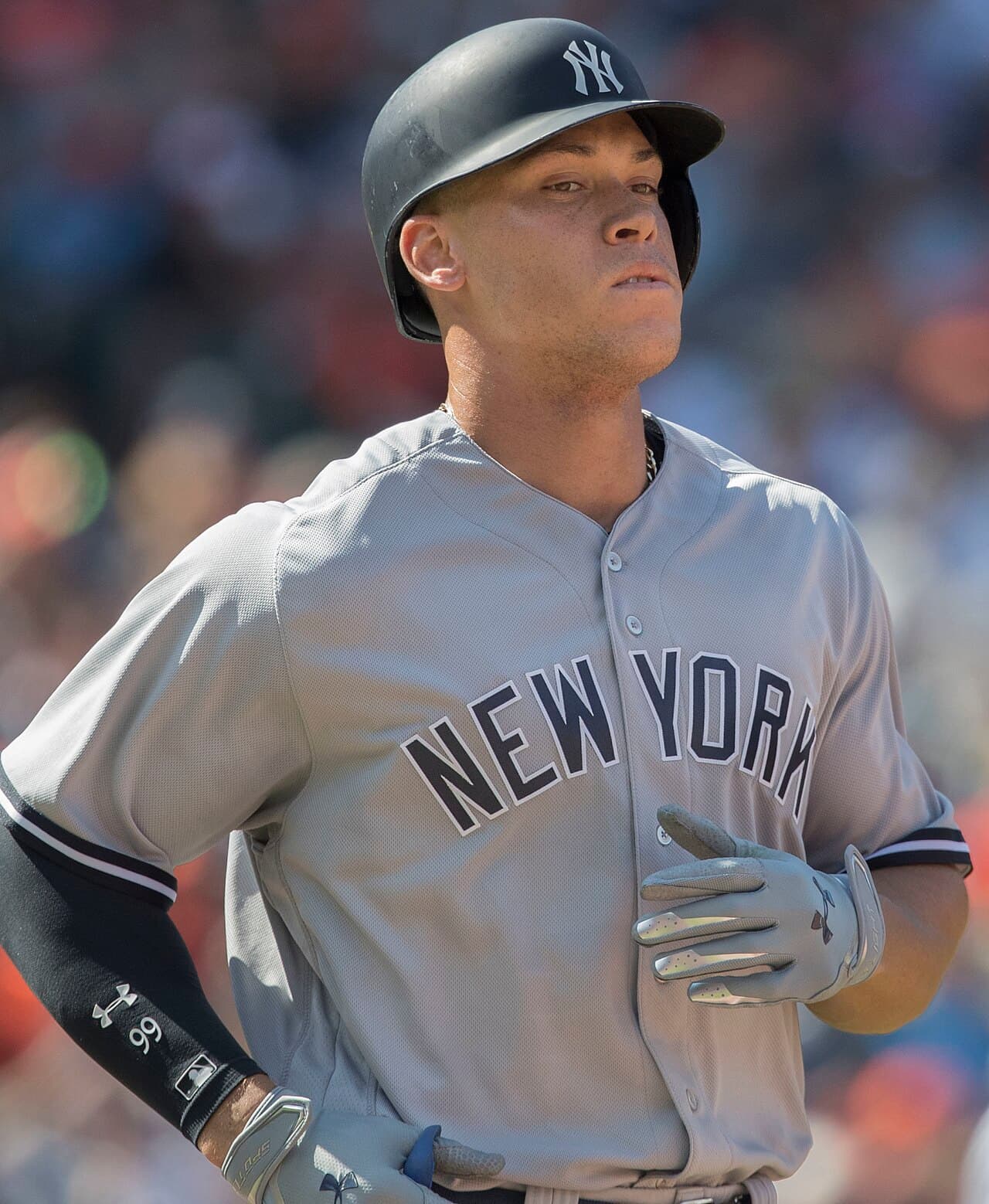
Aaron Judge was out of the New York Yankees' lineup for Tuesday's game against Cleveland with a bone bruise in his right rib cage, an injury he feels mainly in his right shoulder and only when swinging. The absence was reportedly his first of the 2026 season. Judge underwent imaging and was scheduled to see a specialist Wednesday for a second opinion, and while the Yankees are not ruling out an injured list stint, they currently list him as day-to-day.
The nature of the injury
The diagnosis is unusual in how it presents. The bone bruise sits in Judge's right rib cage, but the discomfort manifests primarily in his right shoulder, and only when he swings. Importantly, the injury affects his swing rather than his throwing, which is why the focus has been on whether he can hit without aggravating it rather than on his ability to play the field defensively.
Manager Aaron Boone indicated he believes the club caught the issue in time to avoid something more serious. That cautious optimism, attributed to the manager's stated view rather than any guarantee, frames how the Yankees are approaching it: a problem they would rather address now with rest and evaluation than push through and risk worsening.
The soreness reportedly had been building over the last couple of weeks, worsening during the recent series in West Sacramento against the Athletics. That timeline suggests a nagging issue that finally reached the point where playing through it stopped making sense, prompting the imaging and the specialist consultation.
What we don't know yet
The critical unknown is the specialist's verdict. As of the morning of June 4, the findings from that second opinion were not public, and the question of an IL stint remains genuinely undetermined. The Yankees have left the door open to placing Judge on the injured list, but they have not done so, and no return date has been established.
That uncertainty is the entire story for fantasy managers and bettors. This is not a case where an outcome can be assumed. The range of possibilities runs from a brief rest of a few days to a formal IL placement, and the specialist's findings are the catalyst that will determine which way it breaks. Until that information is public, projecting a timeline would be guesswork.
Fantasy fallout
The key distinction is that Judge is day-to-day, not on the injured list. That status changes the correct response entirely. This is the highest-leverage "questionable but not out" situation in fantasy baseball, and the instinct to panic-drop or fire off a lowball trade would be a mistake before the specialist's findings are even known.
The right approach is to hold and manage the situation day by day. Managers with a deep bench or an open lineup spot can stream a replacement bat in the interim while keeping Judge rostered, treating each day's lineup announcement as the trigger for whether to activate or sit him. Dropping the most valuable hitter in fantasy baseball over a day-to-day designation, before any IL move is even made, is precisely the kind of overreaction that decides leagues.
If the specialist's findings push the situation toward an IL stint, managers can react then, ideally by using an IL slot to stash Judge rather than cutting him. The asymmetry favors patience: the downside of holding through a few missed games is small, while the downside of dropping a generational hitter who returns within a week is enormous.
Betting angle
For bettors, this situation is a study in binary catalysts. Yankees team totals, Judge home run props, and his MVP market odds all swing hard on the specialist's verdict. The difference between Judge resting a few days and Judge landing on the IL is enormous for New York's offensive projection, and the market will reprice sharply once the findings become public.
The practical implication is to be cautious betting Yankees team totals or Judge-related props before the specialist's report is known. Lines set or held in the uncertainty window carry real risk in both directions, and chasing a number before the catalyst resolves is rarely the disciplined play. Bettors who want exposure should wait for the verdict, then act on any lag between the news and the market adjustment.
There is also a longer-horizon angle in the MVP market. Judge's award odds are sensitive to any extended absence, and an IL stint that costs him a chunk of games would meaningfully alter that picture. Conversely, if the diagnosis amounts to a short rest, any drift in his MVP odds during the uncertainty could represent value once he returns to the lineup. The binary outcome is the key event to track.
The Verdexed model take
The Verdexed framework treats day-to-day stars as hold-and-monitor assets rather than sell signals, because the expected cost of a few missed games is small relative to the player's value. For a hitter of Judge's caliber, the model strongly favors patience until the injury status actually changes, which it has not.
The model's read on the betting side mirrors the fantasy logic: avoid committing to Yankees totals or Judge props until the specialist's findings resolve the binary. The injury affecting only his swing, not his throwing, and the manager's belief that they caught it in time, both lean cautiously constructive, but neither is a substitute for the actual diagnosis. The disciplined position is to wait for the catalyst.
What's next
The single event that matters is the specialist's verdict from the Wednesday second opinion and whether the Yankees follow it with an IL move or keep Judge day-to-day. That news will dictate every downstream decision, from lineup activation to prop betting to MVP-market positioning.
For fantasy managers, the takeaway is to hold Judge and stream around him day by day rather than panic-drop, using an IL slot only if and when an actual IL move is made. For bettors, sit on your hands with Yankees totals and Judge props until the specialist's findings are public, then move quickly on any gap between the news and the line.