2026 NBA Draft: Wizards Win the Lottery, Dybantsa Leads a Star-Studded Class
By Verdexed NBA Desk
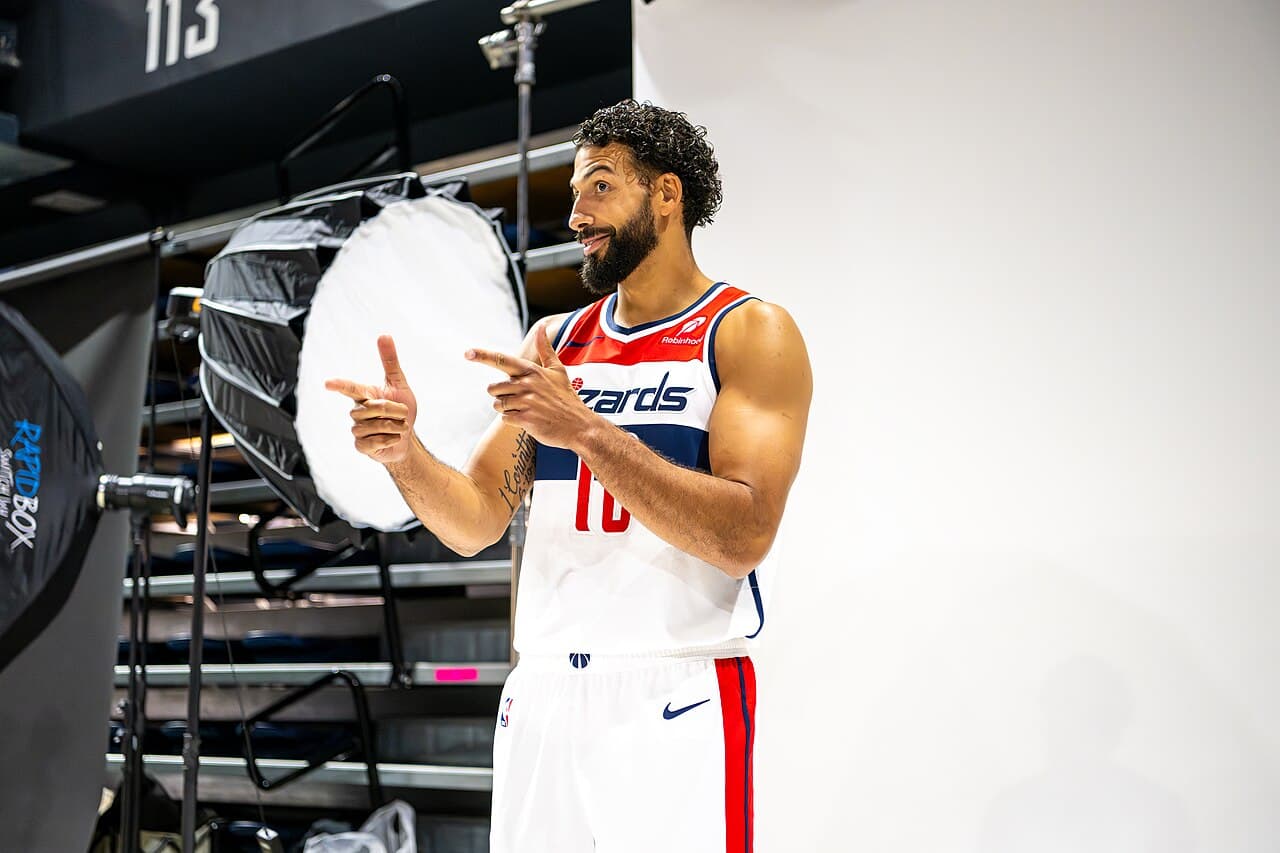
The Washington Wizards control the top of one of the most talked-about draft classes in years after winning the 2026 NBA Draft Lottery, and the implications stretch well into dynasty fantasy basketball. Washington landed the No. 1 pick with 14 percent odds, jumping to the front of a class headlined by a quartet of potential stars. With the draft set for June 23-24, this is the moment for dynasty managers to map out where the rookie value lands before names start coming off the board.
The class at the top
Four players define the upper tier: BYU forward AJ Dybantsa, Kansas guard Darryn Peterson, Duke forward Cameron Boozer and North Carolina forward Caleb Wilson. Dybantsa is the consensus top overall selection, a wing with the size and scoring profile that translates to immediate fantasy production, but Boozer and Wilson both have cases to go first, and Peterson gives the class a high-end guard prospect.
That depth at the top matters for dynasty. A class with multiple players who project as future fantasy contributors gives managers more bites at the apple, and it means value will be available beyond just the No. 1 pick. The Wizards, picking first, are positioned to add a cornerstone to a young rebuild, which is the kind of landing spot that accelerates a rookie's path to fantasy-relevant minutes.
Why landing spot is everything for rookie fantasy value
The single biggest driver of a rookie's first-year fantasy production is opportunity, and opportunity is dictated by where a player lands. A top prospect on a rebuilding team with a clear runway to minutes and usage will outproduce an equally talented player buried on a contender's depth chart. That is why the lottery results, not just the talent rankings, reshape dynasty boards.
Washington winning the top pick is a positive for whichever prospect they select, because a rebuilding team has every incentive to play its franchise cornerstone heavy minutes from day one. The lottery's other big winners reshape the picture below the top pick, and dynasty managers should track the full order, because a star prospect who slides to a team with an open role can offer better immediate value than a higher pick stuck behind veterans.
The dynasty read
In dynasty rookie drafts, the top picks in this class profile as foundational assets. Dybantsa's combination of size and scoring is the kind of profile that produces across multiple categories, the holy grail for fantasy. Boozer's polish and Peterson's guard skills give them paths to early usage as well. The order in which these players land, and the situations they land in, will determine the precise dynasty ranking, but the tier itself is strong.
The practical advice is to value opportunity alongside talent. A slightly lesser prospect who lands on a team with open minutes can be the better dynasty pick in the first year, even if the higher-ranked prospect has the better long-term ceiling. Patience is rewarded in dynasty, but so is targeting rookies who will actually play.
The Verdexed model take
Our model evaluates incoming rookies on projected role and opportunity as much as on prospect pedigree, because minutes and usage drive fantasy points far more than draft position alone. The model's framework for this class is to weight landing spot heavily once the picks are made, upgrading prospects who land on rebuilding teams with clear paths to volume and tempering those who join crowded depth charts.
Until the picks are official, the model treats the top tier as a cluster of high-upside assets whose precise ranking depends on destination. The actionable principle for dynasty managers is to resist locking in a rookie ranking based on talent alone, and instead wait for the draft to clarify which prospects have the runway to produce immediately. The talent is real across the top of this class; the fantasy value will be defined by fit.
How this compares to recent classes
The 2026 group draws comparison to the deeper draft classes of recent years precisely because of its top-end star potential rather than just its depth. A class with four legitimate franchise-altering prospects at the top is rarer than a class that is merely deep, and it means the teams picking in the first handful of slots are all positioned to add a potential building block. For dynasty managers, that concentration of talent at the top makes the first few picks of rookie drafts unusually valuable.
The flip side is that value can dry up quickly after the top tier. Once Dybantsa, Boozer, Peterson and Wilson are off the board, the drop-off in projected fantasy ceiling is steeper than in a flatter class. That argues for aggressively pursuing one of the top picks in dynasty rookie drafts if you have the assets, rather than banking on finding a comparable hit later. Trading up into the top four is more defensible this year than in a typical draft.
What it means
Dynasty managers should treat the next few weeks as research time. Map the lottery order, identify which teams have open minutes at which positions, and be ready to adjust rookie rankings the moment the picks are announced. Washington's selection at No. 1 will be a cornerstone asset, but the deeper value in this class lies in matching strong prospects to the situations that let them play. In rookie fantasy, the player who gets the minutes beats the player with the better scouting grade nearly every time, and this class will reward managers who draft for opportunity.