Jose Ramirez's Hamate Fracture Opens the Guardians Infield: Bazzana and Arias Are the Waiver Plays
By Verdexed MLB Desk
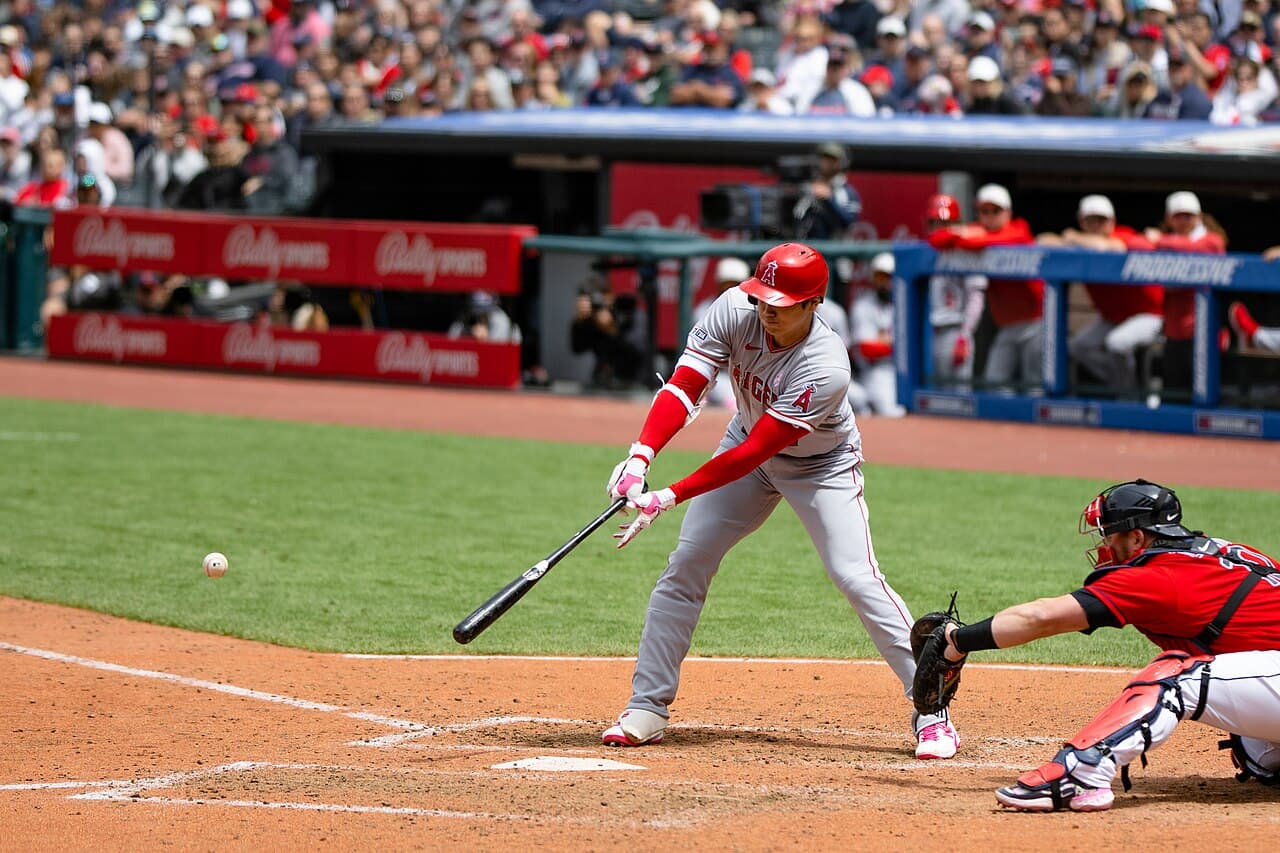
Losing a first-round fantasy anchor in June is the nightmare scenario, and Jose Ramirez managers are living it. The Guardians star fractured the hamate bone in his left hand, required surgery, and is expected to miss roughly five to seven weeks, a timeline that threatens to stretch into the All-Star break. The injury removes one of the most reliable five-category producers in the game from lineups across fantasy, and it hands a meaningful chunk of value to the players stepping into his at-bats in Cleveland.
The injury and the timeline
Ramirez suffered the fracture in mid-June and landed on the injured list after having played in every one of the Guardians' games to that point, a testament to the durability that has made him a perennial early-round pick. Hamate surgery carries a fairly standard recovery window, and the five-to-seven-week projection points to a return around or just after the midsummer break. The Guardians have moved Gabriel Arias into the everyday third-base job in his absence, while top prospect Travis Bazzana, the former first overall draft pick, has carved out a regular role and lineup spot.
The wrinkle every fantasy manager needs to understand is what hamate injuries tend to do even after the player returns. The hand and wrist drive power, and hitters coming back from hamate procedures frequently see their pop lag for weeks before it fully returns. That means Ramirez's value may not snap back to first-round levels the instant he is activated, a critical consideration for anyone weighing a trade or a roster decision around his return date.
The waiver-wire winners
The fantasy opportunity is in the replacements. Bazzana is the headliner. A former top overall pick getting consistent at-bats in a major-league lineup is precisely the kind of stash that can pay off, and his pedigree gives him a real chance to contribute across categories if the playing time holds. He is the priority add in any league where he is still available, particularly in dynasty formats where his long-term value far exceeds his current cost.
Arias is the more straightforward redraft pickup. Sliding into everyday duty at third base gives him the volume of at-bats that creates counting-stat value, and an everyday infielder on a competitive club is rosterable in deeper leagues even without star upside. He is the safer, lower-ceiling add next to Bazzana's higher-variance profile. Between the two, managers in standard leagues should prioritize the player whose role looks most secure, while deeper and dynasty leagues should grab Bazzana for the upside.
What it means for the Guardians
Ramirez is the engine of Cleveland's offense, and a five-to-seven-week absence is a significant blow to a club's run production and its position in the division race. The lineup loses its best hitter, its most dangerous baserunner, and a middle-of-the-order force that pitchers have to navigate. No combination of Arias and Bazzana replaces that, which is the honest fantasy and real-world read: the Guardians offense takes a step down until their star is back and back to full strength.
The Verdexed model take
Verdexed's projection model treats a lineup's best hitter as a multiplier on the production of those around him, because losing a middle-of-the-order threat changes how pitchers attack the entire batting order. Removing Ramirez for the better part of two months pulls down Cleveland's projected runs scored and nudges the club's division and playoff odds in the wrong direction, and the model has adjusted the Guardians' outlook accordingly.
The betting angle is most actionable on team totals. Cleveland's projected runs dip in the games it plays without Ramirez, which softens the over on Guardians team totals and tightens their run-line value in tougher matchups. For bettors, the spots to consider are unders on a lineup that just lost its best bat, with the caveat that the market typically adjusts quickly to a known injury. The longer-term play is watching Ramirez's return, where the model anticipates a slow power ramp that the betting market may underprice in his first weeks back.
The return-date trap
The single most important thing for Ramirez managers to internalize is that the return date is not the same as the return to form. Hamate injuries are notorious for sapping a hitter's power for weeks after activation, because the bone sits at the base of the hand and the surrounding soft tissue takes time to tolerate the torque of a full swing. Plenty of star hitters have come back from this procedure on schedule only to slap singles and pop out for a month before their pop returns.
That dynamic creates both a risk and an opportunity. The risk is overpaying in a trade for Ramirez expecting an immediate first-round line the day he is activated. The opportunity is the inverse: a savvy manager in a competitive league can target Ramirez at a discount from a panicking owner, bank the early counting stats, and own the full-strength version when the power returns in the second half. Patience is the edge here, because the market often misreads the shape of a hamate recovery.
What to do in your league
If you roster Ramirez, the move is to ride out the absence rather than sell him at a discount, because a healthy second half still carries enormous value even if the power lags early. Use your injured-list slot, then attack the wire for his replacements. Bazzana is the priority add for upside, Arias the steadier bet for at-bats, and either can help paper over the production you just lost.
The next checkpoint is Ramirez's return timeline and, just as important, how his swing looks when he is back. Hamate recoveries are rarely linear, so treat his reactivation as the start of a ramp rather than an instant return to form. Until then, the Guardians' at-bats, and the fantasy value attached to them, belong to the men replacing him.