Jeremy Pena Exits With a Hamstring Scare: Astros Sweat a Recurring Issue
By Verdexed MLB Desk
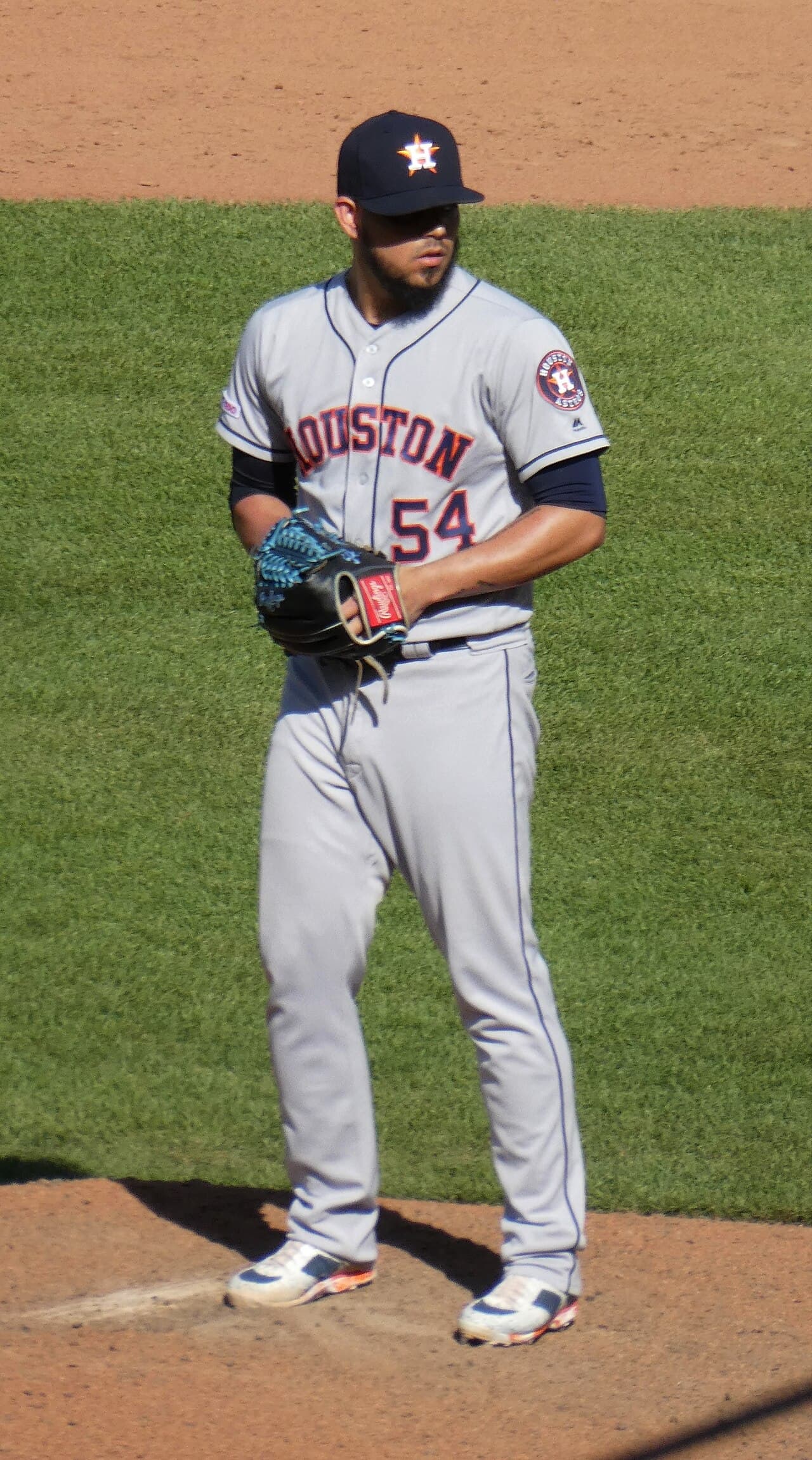
The Houston Astros got a scare in their shortstop position Monday when Jeremy Pena was pulled from the game after appearing to grab at his right hamstring. Manager Joe Espada told reporters afterward that Pena was dealing with a right hamstring cramp, and that the shortstop would undergo further evaluation to determine the severity. The reason fantasy managers should pay attention is the history: Pena already missed roughly five weeks earlier this season with a hamstring strain in the same leg, which turns a routine cramp into a situation worth monitoring closely.
What happened
Pena exited Monday's game against the Blue Jays in the middle innings after an at-bat in which he extended his leg and reached for the hamstring. Espada's postgame characterization, a cramp rather than a strain, is the optimistic read, and a cramp on its own would not typically cost a player significant time. But the team scheduled further evaluation, which is the standard precaution for any player with a recent soft-tissue injury in the same area.
The key fact is that nothing has been ruled out and nothing has been confirmed as serious. A cramp is the best-case interpretation; a re-aggravation of the earlier strain would be the worst case. Until the evaluation comes back, Pena's status is genuinely uncertain, and managers should treat any reporting between those two poles with appropriate caution.
Why the history matters
Soft-tissue injuries are notorious for recurring, and hamstrings in particular have a way of flaring up in the same leg. Pena's earlier absence this season was a hamstring strain, and a player returning to grab the same area is exactly the scenario that makes medical staffs cautious. Even if Monday's issue is truly just a cramp, the underlying vulnerability is real, and the Astros are likely to be conservative to avoid a longer-term setback.
That conservatism cuts both ways for fantasy managers. It raises the odds of a precautionary day or two off even in the best case, and it raises the stakes if the imaging shows a strain. A shortstop with this kind of recurrence risk carries more downside than his production alone would suggest, which is the part of the profile to weigh when setting a lineup this week.
The fantasy fallout
Pena has been a productive fantasy shortstop, contributing across categories with a blend of average, pop, and speed that makes him a regular starter at a thin position. Any absence, whether a few days or a longer IL stint, leaves a hole that is hard to fill cleanly given how shallow shortstop production runs in many formats. Managers rostering Pena should have a contingency plan ready rather than scrambling if the news turns negative.
The replacement picture in Houston is the secondary angle. If Pena misses time, the Astros would shift their infield alignment and hand at-bats to a utility option, which creates a short-term deep-league streamer at best rather than a meaningful pickup. The more valuable move for most managers is to secure middle-infield depth on the wire preemptively, before the evaluation forces the rest of the league to do the same.
There is also a category-specific wrinkle. Pena contributes stolen bases in addition to power, and speed is the category most affected by a lower-body issue even after a player returns. A hamstring that lingers can quietly sap his running game for weeks, which is a reason to discount his steals projection slightly until he is clearly moving at full speed.
The Verdexed model take
Verdexed's model treats Pena as a hold through the uncertainty rather than a sell, while flagging the elevated recurrence risk that comes with a same-leg hamstring issue. The model's read is that the most likely outcome is a short absence or a precautionary day-to-day designation, with a meaningful tail risk of an IL stint if the imaging reveals a strain. That asymmetry, limited upside in the best case and real downside in the worst, is why the model recommends lining up a contingency now.
The edge is in preparation. The model's framework favors managers who secure shortstop depth before the news rather than bidding against the field afterward. In a category-league context, even a few missed games from a multi-category contributor like Pena can swing a week, so the value is in having the replacement already rostered.
The betting angle
Pena's availability matters to Astros team and player-prop markets in the short term. A shortstop who provides multi-category production is a meaningful piece of a lineup, and his absence, even for a few games, nudges Houston's run-scoring projection and the prop lines for the hitters around him. If he sits, books will adjust the Astros' team totals modestly, and the replacement infielder's props open as a low-information market. The model's read is to wait for the evaluation before pricing anything firmly, since the gap between a cramp and a strain is the gap between no impact and a multi-week hole.
What to do in your league
Hold Pena and wait for the evaluation; do not sell into uncertainty at a discount. But act on the roster around him: if you have an open bench spot, add a middle infielder you can plug in for a week, and prioritize one with everyday at-bats over a name with upside but no role. If the imaging comes back clean and the cramp diagnosis holds, you have lost nothing. If it comes back as a strain, you will be the manager who already has the replacement while the rest of your league fights over the wire.