Adley Rutschman on the Concussion IL: A Murky Timeline Forces Fantasy Managers to Stream Catcher
By Verdexed MLB Desk
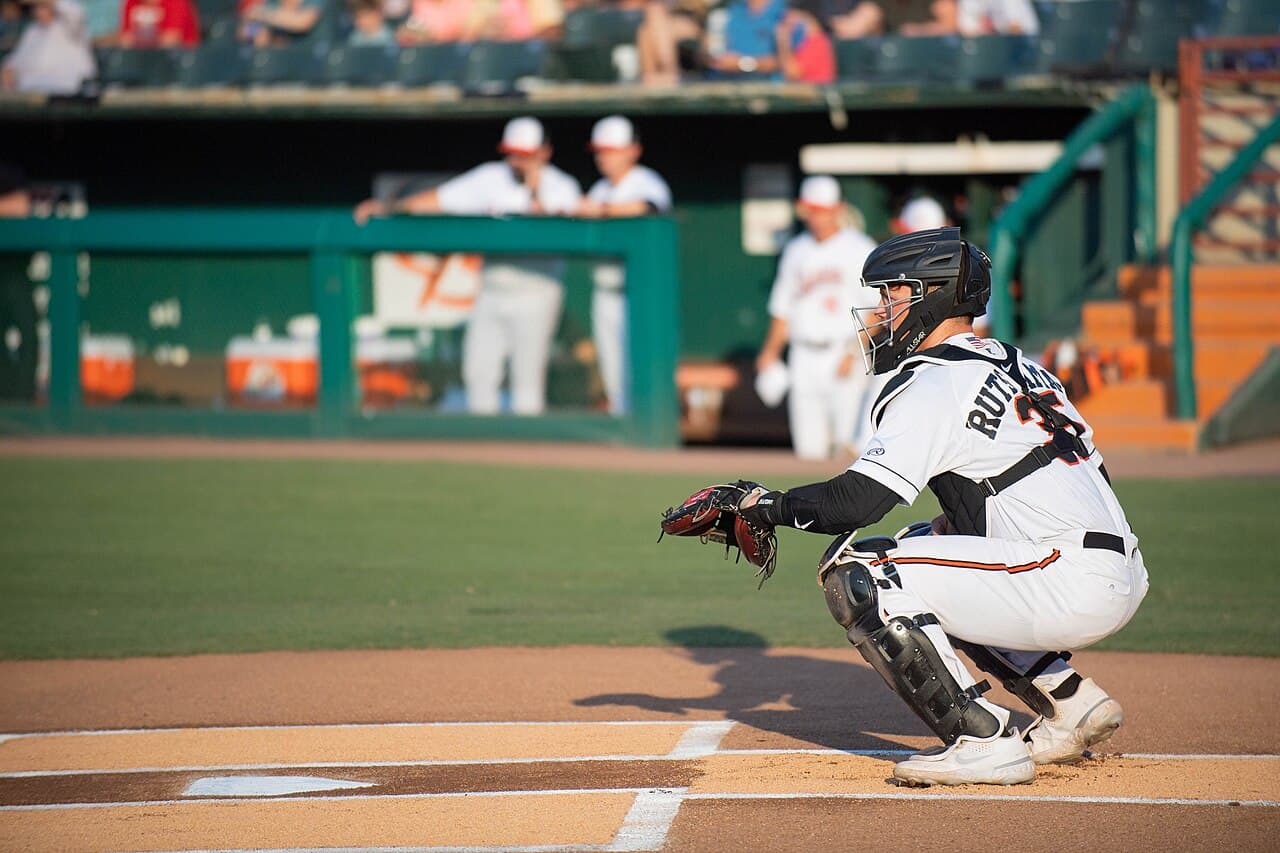
Adley Rutschman owners are facing the most unpredictable injury in fantasy baseball: a concussion with no reliable timeline. The Orioles placed their switch-hitting catcher on the seven-day concussion injured list after he was struck in the head by an errant throw while running to first base against the Mariners, the throw catching the side of his head not protected by his helmet's ear flap. His IL stint is retroactive to June 20, making him technically eligible to return, but he remains in protocol and is still being monitored, which means his actual return date is anyone's guess.
Concussions do not follow the linear recovery curves of muscle strains. A player can be cleared in a week or sidelined for a month depending on how symptoms respond to exertion, and that uncertainty is the entire fantasy story here. Treating Rutschman's eligibility date as his return date would be a mistake.
Why the timeline is murky
The seven-day concussion IL is designed to be flexible precisely because brain injuries are unpredictable. Being eligible to return is not the same as being ready, and the Orioles have given no indication that activation is imminent. Until Rutschman clears the final stages of protocol, which typically involve ramping up baseball activity without a recurrence of symptoms, any projected return is speculative.
Compounding the concern is Rutschman's recent durability. This marks his fourth trip to the injured list in the past calendar year, a troubling pattern for a catcher whose value depends on volume at a position where playing time is scarce. None of the prior injuries were concussion-related, so this is not a recurring head issue, but the cumulative wear on a catcher is a real factor when projecting his second-half availability.
What managers are losing
The sting of this absence is sharpened by how well Rutschman had been hitting. Before the injury he was slashing .254/.329/.458 with eight home runs and a 118 wRC+ across 228 plate appearances, a strong bounce-back from an injury-plagued 2025 and a reminder of why he is a top-tier fantasy catcher when healthy. Replacing that production from a position this thin is the core challenge.
Catcher is the shallowest fantasy position, which means losing a high-end one for an indefinite stretch is more damaging than losing a comparable bat at almost any other spot. There is no like-for-like replacement on most waiver wires, so the goal is not to find another Rutschman. It is to stabilize the roster spot and minimize the production gap until he is cleared.
Streaming the position in the meantime
The Orioles will lean on their backup behind the plate, and Chadwick Tromp figures to absorb the bulk of the starts in Rutschman's absence, a deep-league-only name whose value is purely playing-time-based. For most fantasy managers, the better approach is to stream catcher based on matchups rather than chase Baltimore's fill-in.
The streaming framework is simple: target catchers with everyday playing time who hit in the upper half of a productive lineup, prioritize favorable matchups against weaker pitching, and accept that you are playing for counting stats rather than elite ratios. In two-catcher and deep formats, the priority is volume; grab whoever is starting every day, even at the cost of batting average. In one-catcher leagues, you can be choosier and rotate based on weekly schedule and park factors.
The Verdexed model take
Verdexed's model treats concussion timelines as a probability distribution rather than a point estimate, and Rutschman's projected absence carries a wide range. The model's base case is that he misses more time than the minimum, given that he remains in protocol with no activation signal, and it assigns meaningful weight to a return that slips past his eligibility date. That uncertainty lowers his near-term projection more than a comparable seven-day muscle injury would.
Crucially, the model does not discount Rutschman's rest-of-season value much beyond the missed games. Concussions, unlike soft-tissue injuries, do not typically sap performance once a player is cleared, so his bat should return to form when he does. The hit is to availability, not to talent, which makes him a clear hold and a potential buy-low if a panicked manager in your league is willing to sell a top catcher at a discount over the murky timeline.
What to do in your league
Hold Rutschman in any format with an IL spot; he is too valuable at a barren position to drop over a timeline question. Stream catcher aggressively in the interim, prioritizing playing time and matchup over name recognition, and do not overpay in free-agent bidding for a short-term fill-in when a rotating cast of everyday backstops will do.
If you are a contender with catcher depth, this is also a buy-low opportunity. A Rutschman owner staring at an open-ended concussion timeline may undervalue a player who should return to top-tier production once cleared. Offer a stable, healthy bat and bet on the upside of getting an elite catcher back for the stretch run.
What's next
The only signal that matters is Rutschman progressing through protocol and resuming baseball activities without symptoms. Ignore eligibility-date optimism until the Orioles actually move him toward activation. Stream the position, hold the player, and let the concussion's unpredictability work in your favor by buying low if the chance arises. The model's guidance: plan for more missed time than the minimum, and trust the bat to return intact when the head is clear.